10 Mistakes First-Time Camino Português Walkers Make
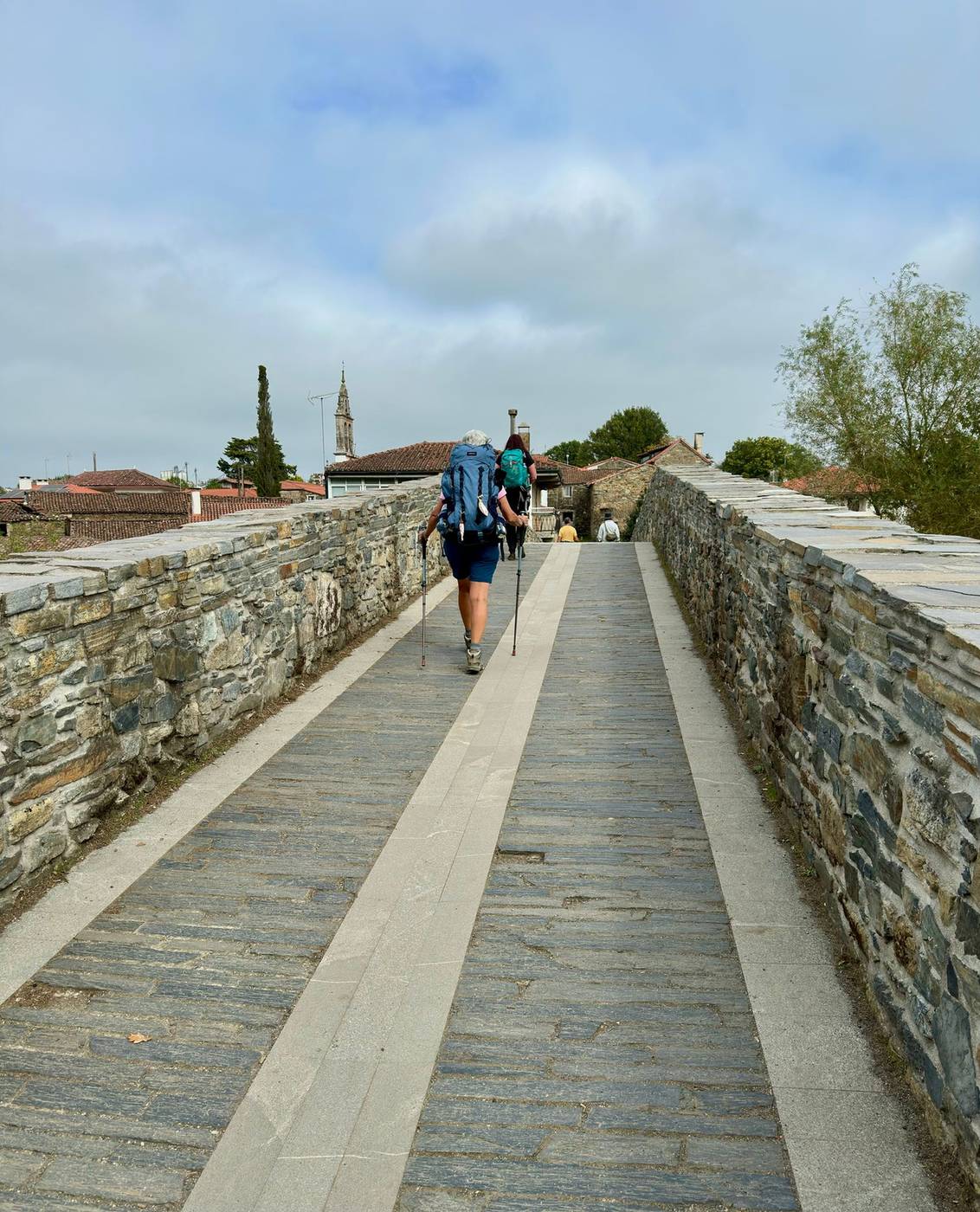
Updated August 2026
Short answer: the ten we actually see, in rough order of damage: overpacking, new footwear, 30 km days out of Porto, zero training with a loaded pack, fighting about the "real" route, ignoring the heat clock, carrying no cash, winging beds on the last 100 km, forgetting credential stamps, and booking the flight home too tight. None of them needs experience to avoid, just a warning in advance. Consider this the warning.
We live on this route, and the mistakes repeat with the seasons. Not one of them is stupidity; each is a perfectly reasonable assumption that happens to be wrong. Here they are, with the fix attached.
1. Overpacking
The classic, and still the king. The pack that felt fine in the living room turns hostile on the third climb, and by A Guarda or Barcelos the post office is mailing three kilos home. The rule that survives contact with reality: loaded pack under about a tenth of your body weight, before water. The route passes shops and pharmacies daily, so the "just in case" item can be bought on the day the case actually arrives. Our packing guide argues every gram, and the one-page checklist (PDF) is the version you print.
2. Breaking in footwear on the Camino itself
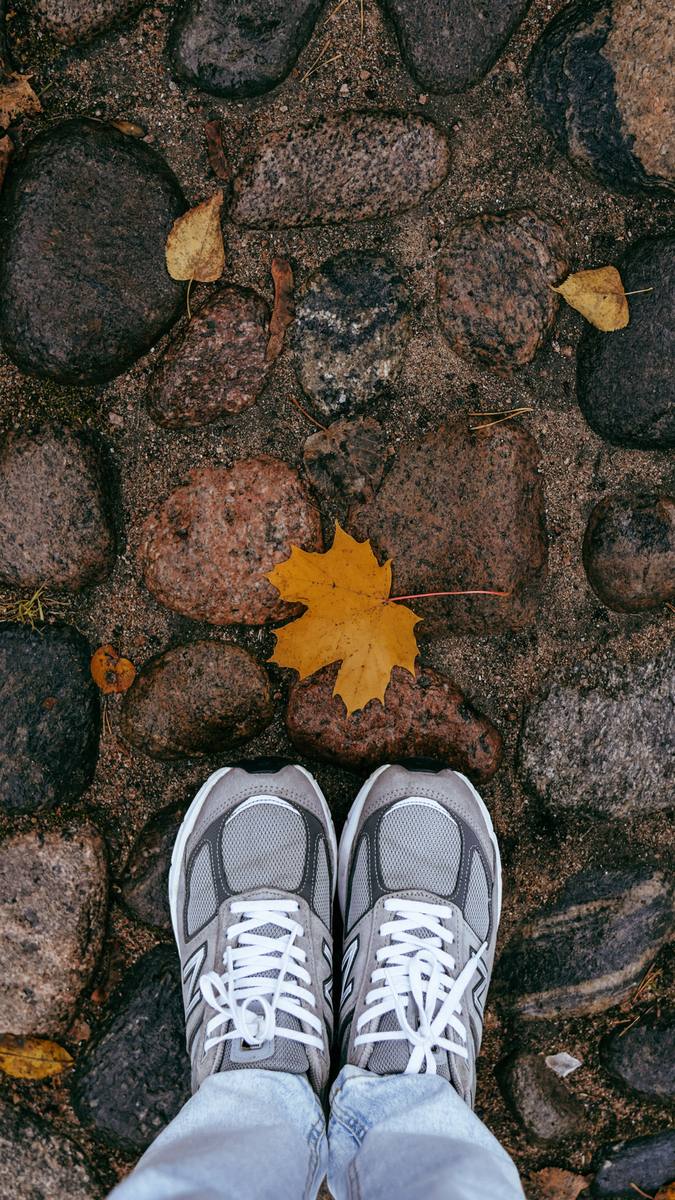
Box-fresh shoes on day one is how blisters become the story of your walk. Whatever you wear (and on this route's mix of cobbles, boardwalk and forest track, trail runners beat boots for most people), it needs 80–100 km on your feet before Porto, with the socks you'll actually wear. The shoe decision is personal; the broken-in requirement isn't.
3. Doing 30 km out of Porto because you felt great
Day-one legs are a liar: fresh, excited, undamaged, so of course 30 km feels possible. Then Porto's suburbs and the cobblestones present the bill, and day three is walked on anti-inflammatories. Standard stages run 20–25 km for a reason: how far per day works through the arithmetic, and the stage-by-stage guide shows where the natural short first days are. Start gentle; the heroics keep.
4. Training zero, or training without the pack
Two weeks of daily 20-somethings is absolutely doable by ordinary people. Ordinary people who prepared. The mistake isn't being unfit; it's arriving with feet and shoulders that have never done two long back-to-back days under load. Eight weeks of walks, building to consecutive long days with the loaded pack, is enough; the training plan lays it out week by week. Your first days should feel like the trip starting, not like damage control.
5. Believing one route is the "real" Camino
Someone in a forum will inform you the Central is the only authentic way, or that the Coastal is the only beautiful one. Both claims are nonsense: Central has the history and the cobbles, Coastal has the Atlantic and the boardwalks, they meet at Redondela, and both end at the same cathedral. The mistake is picking a route to satisfy an internet stranger instead of asking which scenery you want two weeks of.
6. Ignoring the heat clock
July and August afternoons in inland Minho and Galicia are genuinely punishing, and every summer someone walks through the 14:00 furnace because the itinerary said so. Summer walkers start at dawn and are done by early afternoon. That single habit converts peak season from an endurance test into a holiday. Better still, pick your month deliberately: the month-by-month weather guide and when to walk exist precisely for this decision.
7. Carrying no cash
Cards work in cities and most guesthouses. Then comes the village café with the best tosta on the route, the donativo albergue, the fruit stall, the church stamp box: cash country, all of it. €50–100 in small notes, topped up at town ATMs, removes the problem entirely. The full money logic (what things cost, where cards fail) is in the budget guide.
8. Winging beds on the last 100 km in season
From Porto to Tui, walking bed-less and deciding each afternoon works beautifully most of the year. From Tui to Santiago, where every short-Camino walker on the network joins, it stops working in summer, and stops working entirely as the 2027 Holy Year approaches. Book the final stretch ahead in season, and your Santiago bed before almost anything else. Which style suits you (albergue freedom or booked certainty) is worked through in where to sleep.
9. Treating credential stamps as an afterthought
The Compostela has one bureaucratic tooth: two stamps per day on the final 100 km (from Tui onward on the Central; from Baiona or A Guarda on the Coastal, though Vigo is borderline at about 100 km; start in Baiona or A Guarda to be safe), at least one a day before that. Stamps are everywhere, in cafés, churches and albergues, so the failure mode is never scarcity, it's forgetting for two days straight and arriving in Santiago with gaps. Habit fixes it: stamp at the morning coffee, stamp at the bed. How the Compostela works covers the rest of the rules.
10. Booking the flight home too tight
The saddest mistake: arriving in Santiago at noon and leaving for the airport at six, or, worse, skipping the last stage logic entirely and bussing forward to protect a flight. Build one buffer day: it absorbs a blister day mid-route, and if unneeded it becomes a full day in Santiago. Pilgrim mass, the Obradoiro at night, the long lunch you've earned. Tight on days from the start? Walk a better-chosen section rather than a compressed whole.
The pattern behind all ten
Every one of these is the same error wearing different clothes: importing assumptions instead of asking the route. The Camino Português is forgiving (flatish, serviced, never far from a café), which is exactly why it punishes casualness in these ten specific spots and almost nowhere else. Fix these before you fly and the walk itself is the easy part.
If you'd rather someone who lives here removed half the list for you (rooms booked, bags moved, stages sanity-checked, a phone that answers), that's what we're building at Bom Caminho, from here on the route. And if you're doing it yourself: all of it, argued properly, is in the complete guide.
Next steps: weigh your pack against the packing guide, sort your feet with the footwear guide, then sanity-check your daily distances in how far per day.
Common questions
What is the most common mistake on the Camino Português?
Overpacking. Almost every first-timer carries too much, feels it by day two, and posts something home from a Portuguese post office by day four. Keep the loaded pack under about a tenth of your body weight before water. The route passes shops and pharmacies daily, so the thing you might need can simply be bought if the need ever arrives.
How far should a first-timer walk per day on the Camino Português?
Standard stages run 20–25 km and suit most reasonably fit walkers. The common mistake is the first days: legs are fresh, excitement is high, and 30 km out of Porto feels possible, until the cobbles collect the debt. Keep the first two or three days nearer 20 km and build from there.
Do I need to book accommodation in advance on the Camino Português?
Depends on season and style. Shoulder-season walkers sleeping in private rooms should book a few days ahead; summer walkers on the final 100 km from Tui should book further ahead than feels natural, because that is where the whole route concentrates. In the 2027 Holy Year, treat booking early as non-negotiable.
How many credential stamps do I need for the Compostela?
Two per day on the final 100 km (that means from Tui on the Central, or Baiona or A Guarda on the Coastal; Vigo is borderline at about 100 km; start in Baiona or A Guarda to be safe), and at least one per day before that. Cafés, churches, albergues and even some shops stamp. The mistake is not scarcity but forgetting: build the habit of stamping at your coffee stop and your bed, every day.