Weather on the Camino Português, Month by Month
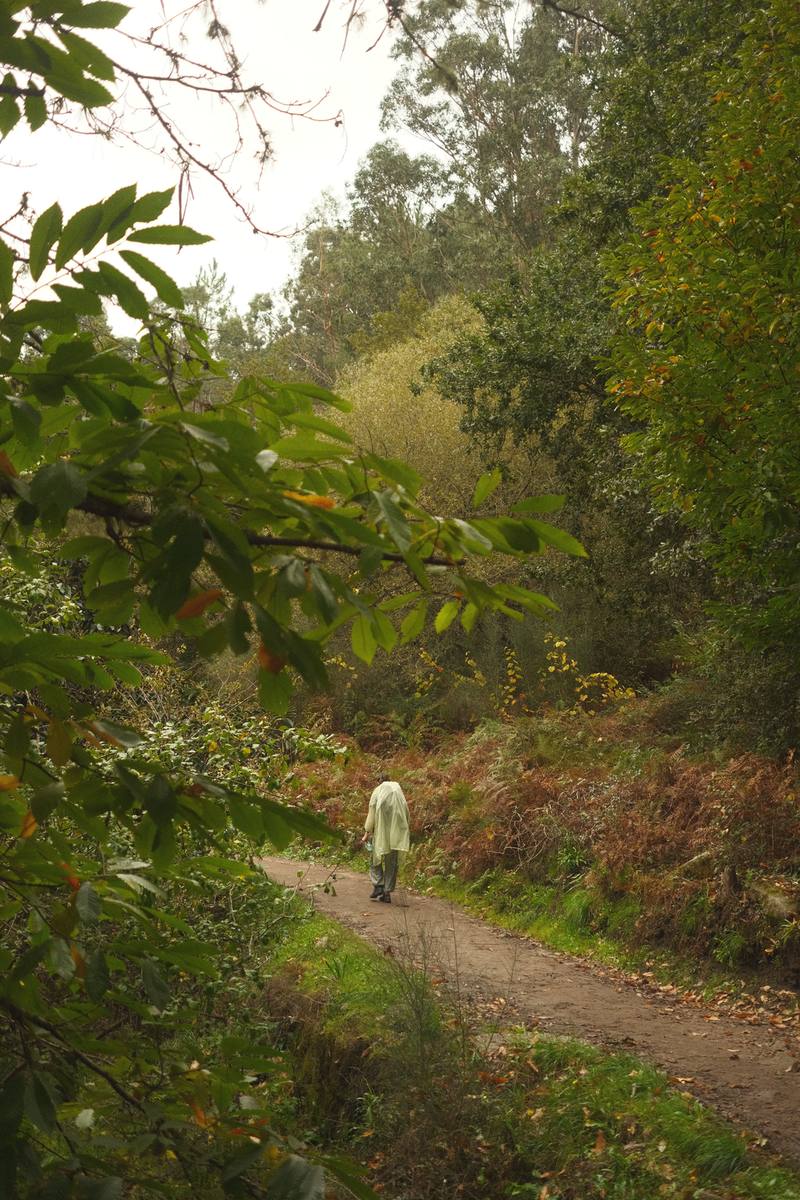
Short answer: the kindest weather on the Camino Português comes in May–June and September, typically 17–24°C by day, long daylight, and the best odds of staying dry. July and August are the hottest, driest and busiest months, but fine if you start at dawn. November to February is mild but properly wet: entirely walkable, as long as you plan for rain. And on this route Galicia is always the wet end: Santiago is one of Spain's rainiest cities.
| Months | Typical daytime | What it's like |
|---|---|---|
| May–June | ~17–24°C | The sweet spot: warm, mostly dry, longest days, everything open |
| July–August | ~24–30°C | Hottest and busiest; driest even in Galicia; start early, book beds |
| September | ~20–24°C | The second window: summer warmth, thinning crowds, rain returns late month |
| October–April | ~10–18°C | The green season: mild but increasingly wet; quiet trail, thinner albergue network |
The Camino Português runs up the Atlantic edge of Iberia, out of Porto, through the green Minho and into Galicia, and the ocean runs the weather. That lushness is rain-bought, which is why the short answer to "what will it be like?" is always a range, never a promise. What follows is the Camino Português weather, month by month: typical temperatures, what the rain actually does, and what each month means for crowds, beds, daylight and your pack.
The one thing to understand: the Atlantic runs this route
Porto and the Minho are Portugal's mild, damp northwest; Galicia is Spain's. Winters are gentle by northern-European standards (hard frost is rare near the coast), and summers are warm rather than scorching, because the ocean takes the edge off both. The price is rain. Most of it falls between October and April, and the further north you walk, the wetter it gets: Santiago de Compostela is one of the rainiest cities in Spain, and all that granite and green doesn't come free. Two rules follow: carry a rain layer in any month, including August, and remember that no month is unwalkable; you're weighing odds and trade-offs, not possible against impossible. For how season fits the bigger picture (route, stages, training) start with the complete guide to the Camino Português.
Month by month on the Camino Português
November to February: the green season
Winter here is wet rather than frozen. Days typically sit around 10–14°C, Porto the warmer end and Galicia a few degrees cooler. Nights drop to low single figures, and frost is possible inland in the Minho and Galician hills, rare on the coast. Rain is the story: these are the wettest months, and it often arrives as slow Atlantic fronts that sit on you for a day or two, not as passing showers.
Practically, the trail is at its quietest and the walking is beautifully green, but plan harder. A fair number of private albergues close or run reduced hours in winter, so check what's open before committing to a stage. Daylight is short, roughly nine hours in December, so start at first light and keep stages modest. Pack real waterproofs (jacket and trousers, not poncho-and-hope), warm layers, and dry-bags for anything that matters; the season-by-season kit logic is in what to pack for the Camino Português. Bluntly: we'd rather walk this in January than not walk at all; just go in with no illusions.
March: the trail wakes up
Days edge up to roughly 13–17°C. It's still properly changeable (a blustery front one day, spring sunshine the next), and the forest tracks of the Minho and Galicia hold their mud. But albergues reopen through the month, the crowds haven't arrived, and the light stretches noticeably every week. Walk in layers with full rain kit, and take drying clothes as seriously as washing them.
April: showers, sun and Easter
Classic shoulder season: typically 14–18°C by day, the sun genuinely warm when it's out and rain never far away. Some Aprils behave like early summer; others rain for a fortnight. That's the deal you accept for the landscape at its most luminous. One warning: Easter week brings a surge of walkers and fills beds, especially on the last 100 km from Tui: book it or avoid it.
May: the first sweet spot
May is when the odds swing your way: days around 17–21°C, cool nights, rain still possible but no longer the default. Everything is open, the daylight is long, and the trail is busy enough to be sociable without the summer squeeze. If we could pick only one month, it would be this or June.
June: long days, bright evenings
Typically 20–24°C by day, with the longest days of the year, around fifteen hours of daylight. One quirk: Spain runs an hour ahead of Portugal, so the clock jumps forward as you cross at Valença to Tui, and midsummer sunsets in Galicia land near ten at night. June is mostly dry and busier than May. Still carry the rain shell, because Galicia doesn't read forecasts.
July and August: hot, dry and crowded
The hottest months. Near the coast and in Porto, typical highs sit in the mid-20s, comfortable walking by Iberian standards, because the Atlantic keeps the real furnace inland. But heat spells can push the inland stretches of the Central route past 30°C, and warm nights make albergue dorms stuffy. These are also the driest months, Galicia at its least Galician, though even an August afternoon can hand Santiago a shower.
The bigger issue isn't heat, it's people. July and August are by far the busiest months, the last 100 km from Tui most of all, and the bed race in popular albergues is real: book ahead or start at dawn, which the temperature argues for anyway. Santiago itself heaves around the feast of St James in late July. Pack for sun: a proper hat, high-factor sunscreen, electrolytes, and more water capacity than you think you need.
September: the second window
Early September is summer with the crowds draining out: days around 20–24°C, the sea at its warmest for the brave, and schools pulling families home. As the month goes on, temperatures ease and the rain odds climb, noticeably faster in Galicia than in Portugal. The first three weeks are, for our money, as good as May–June: the window we'd hand to anyone who can't travel in early summer.
October: last of the gold
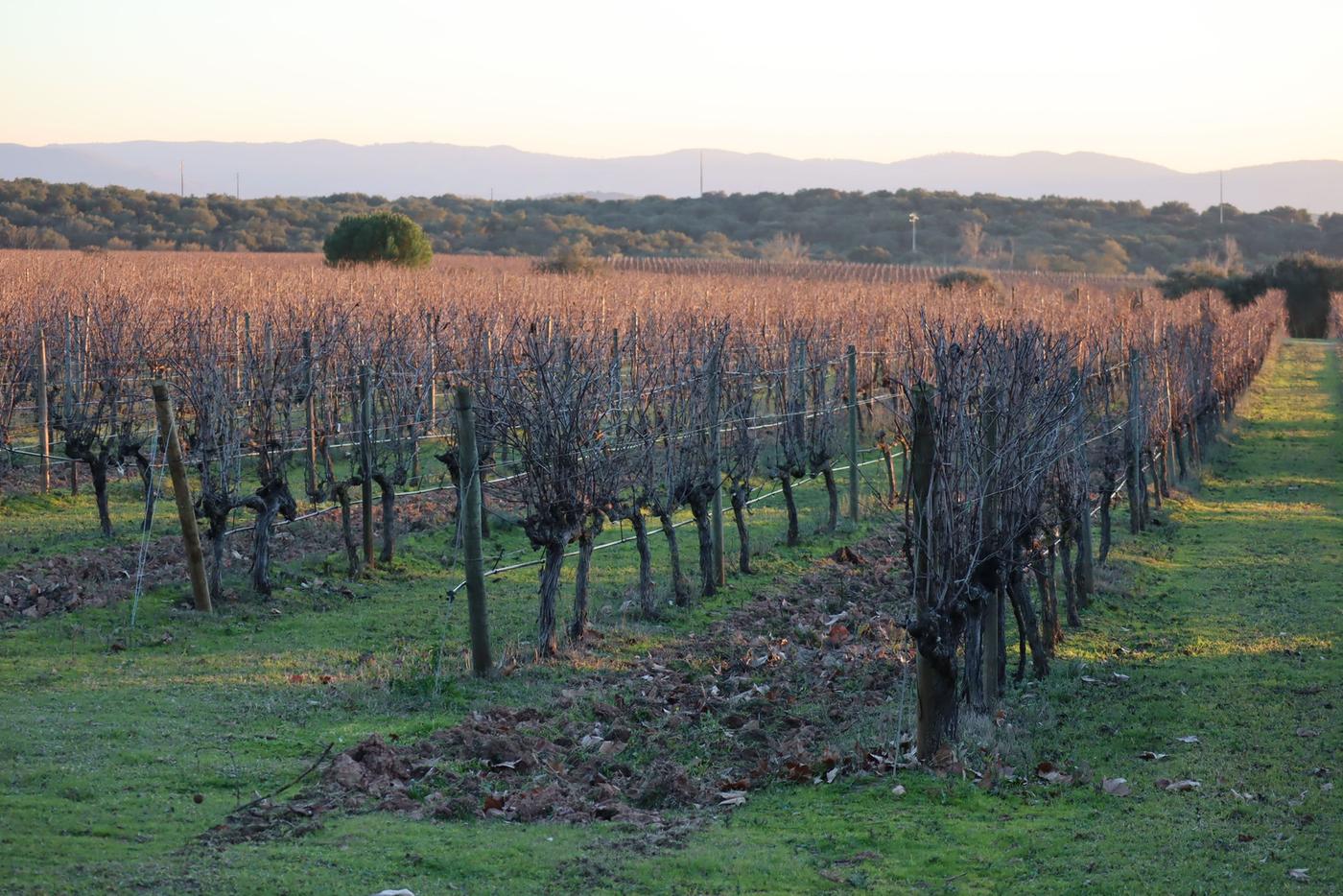
Roughly 16–20°C by day in Portugal, cooler in Galicia, and the Atlantic fronts come back properly, especially in the second half. Early October can still be lovely: harvest in the Minho vineyards, chestnuts, soft light, a quiet trail with almost everything open. By late month you're back to full rain kit and shrinking daylight, so plan shorter stages. Then November closes the loop, and the green season begins again.
Coastal vs Central: same weather, different feel
The two main routes from Porto share the same weather systems but wear them differently. The Coastal is ruled by the ocean: summer afternoons run a few degrees cooler, winter nights a touch milder, and wind is the constant, above all the nortada, the Atlantic northerly that builds on summer afternoons and can lean on you for hours along the exposed boardwalks. When rain blows in off the sea, there's nowhere to hide. The Central runs inland through the Minho: a shade hotter on summer afternoons, stiller and sometimes muggier, but with far more shade and shelter from woodland and vines. Neither is a different climate: pick for scenery and stages (compare the routes here) and let weather break the tie only in high summer, when the Coastal breeze genuinely helps.
Our pick
Late May to mid-June, or the first three weeks of September. Both give warm days without real heat, long daylight, a fully open albergue network and the best odds of a dry fortnight. September adds a warmer sea and an emptier trail. If your dates are July or August, don't cancel: lean Coastal for the breeze, start at dawn, and book your beds. If winter is what you have, walk it wet and unbothered: it's a moodier, quieter, greener Camino. Weather is only half the decision; for the months ranked by crowds and prices too, see when to walk the Camino Português. And whichever month wins, flights bookend the same way, into Porto and home from Santiago, so sort them early.
Next steps: turn the forecast into a plan: when to walk, month by month on crowds and cost, what to pack for your season, and the complete guide to the whole walk.
Common questions
What is the best month to walk the Camino Português?
May, June and September are the kindest months: typically warm, mostly dry, with long daylight and the whole albergue network open. Early September adds a warmer sea and thinning crowds. July and August are hotter and much busier; winter is mild but very wet.
Is the Camino Português too hot in July and August?
Usually not by Iberian standards, since the Atlantic keeps typical coastal highs in the mid-20s Celsius, but heat spells can push inland stretches of the Central route past 30°C. Start at dawn, carry extra water, and consider the Coastal route for the afternoon breeze. Crowds, not heat, are the bigger July–August problem.
Can you walk the Camino Português in winter?
Yes. Winters are mild (hard frost is rare near the coast), but these are the wettest months, daylight is short and part of the albergue network closes or runs reduced hours. Check what is open stage by stage, pack proper waterproofs, keep stages modest, and it is a quiet, deeply green walk.
Does it rain on the Camino Português in summer?
It can, especially in Galicia: Santiago de Compostela is one of the rainiest cities in Spain, and while July and August are its driest months, no month there is bone-dry. The Portuguese stretch is more reliably dry in summer. Carry a light rain layer in any month.
Is the Coastal or Central route better for summer weather?
The Coastal runs a few degrees cooler in summer thanks to the ocean and the nortada, the Atlantic northerly that builds on summer afternoons. The Central is warmer and stiller but far shadier. In high summer the Coastal breeze is a real advantage; the rest of the year, choose for scenery.