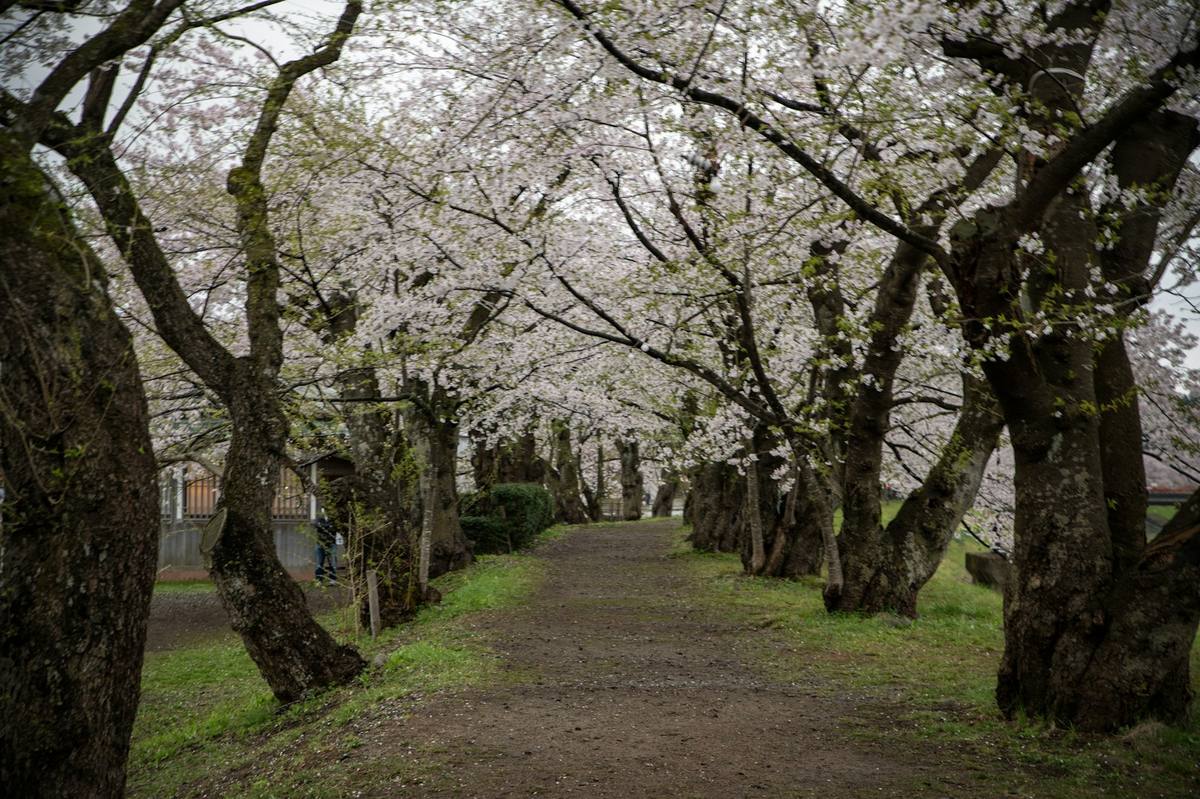
Our packages: the Camino, organised. Nothing you don't need.
Prices on the page, rooms we'd sleep in ourselves, your bag moved every day, and one email address read every day you're walking. The Portuguese Way, organised the way we'd want it organised.
Three packages with every price on the page, or one built around your dates.
Organised: you walk at your own pace, we carry the logistics. Each package has its own page with stages, rooms and the full price table.
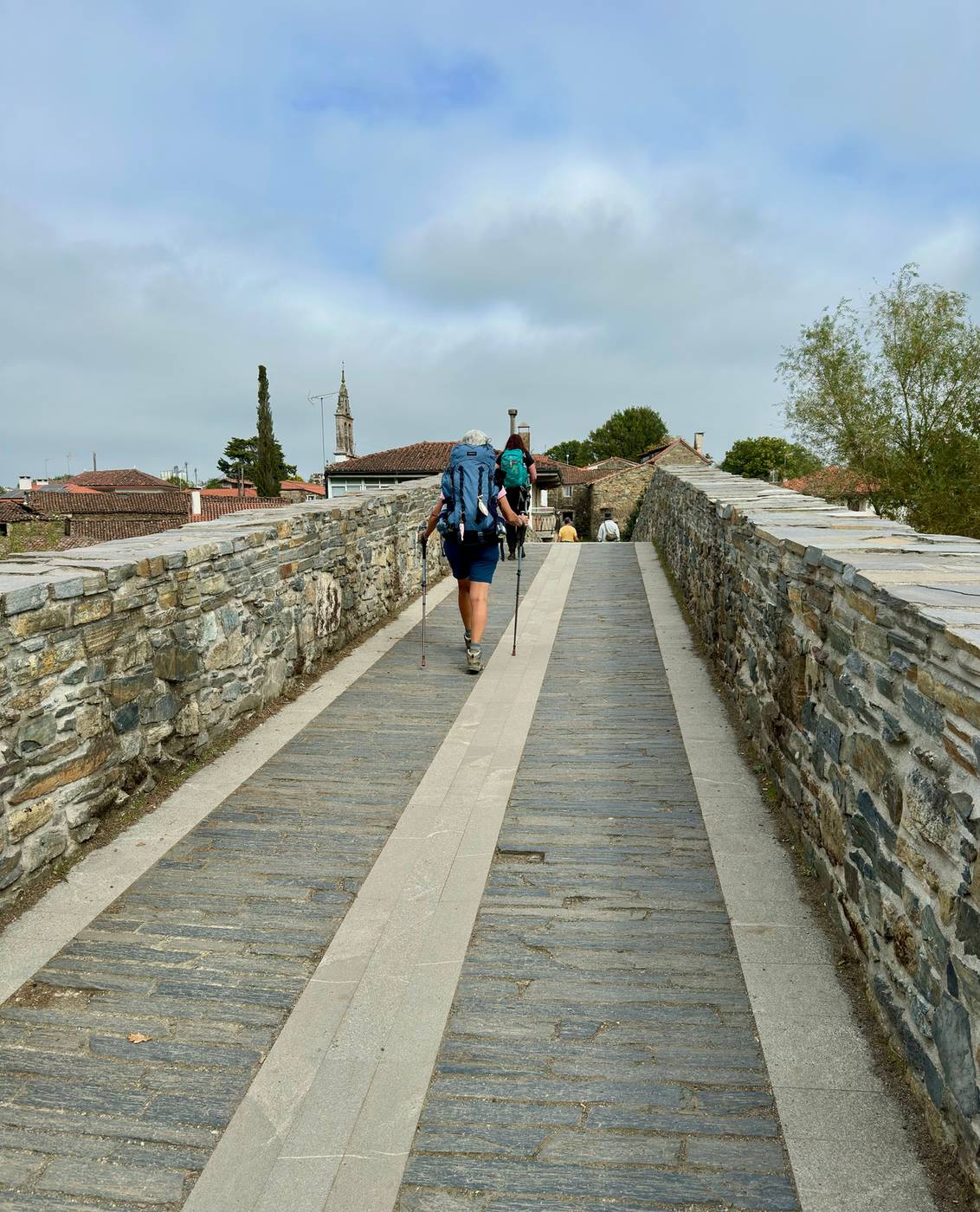
Full Central: Porto to Santiago
- Pilgrim towns, vineyards and history on the classic route
- Ponte de Lima, Tui and the old stone ways of Galicia
- The strongest Camino atmosphere, start to finish
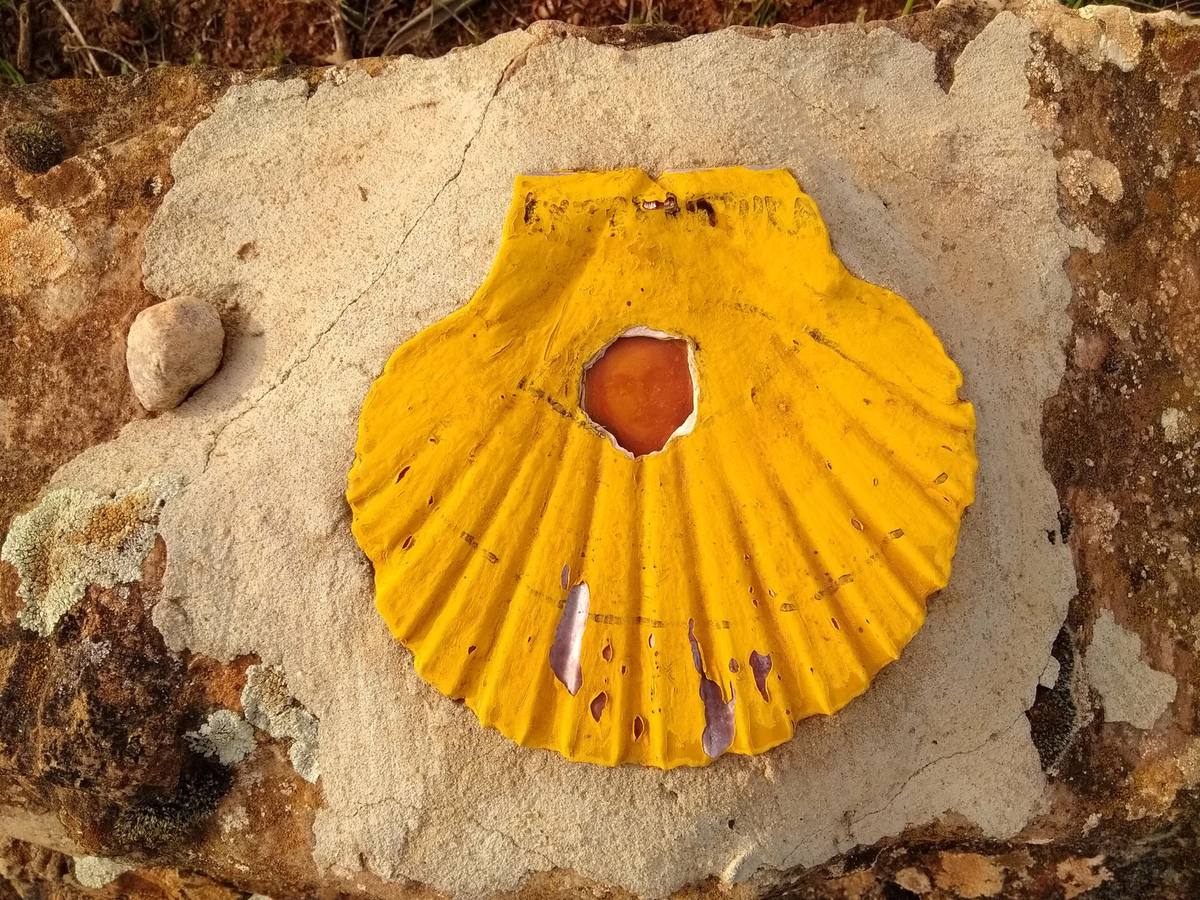
Full Coastal: Porto to Santiago
- Atlantic boardwalks, beaches and fishing villages
- Ocean air from Porto to the Spanish border and beyond
- Flatter, softer early stages that are kind to first-timers
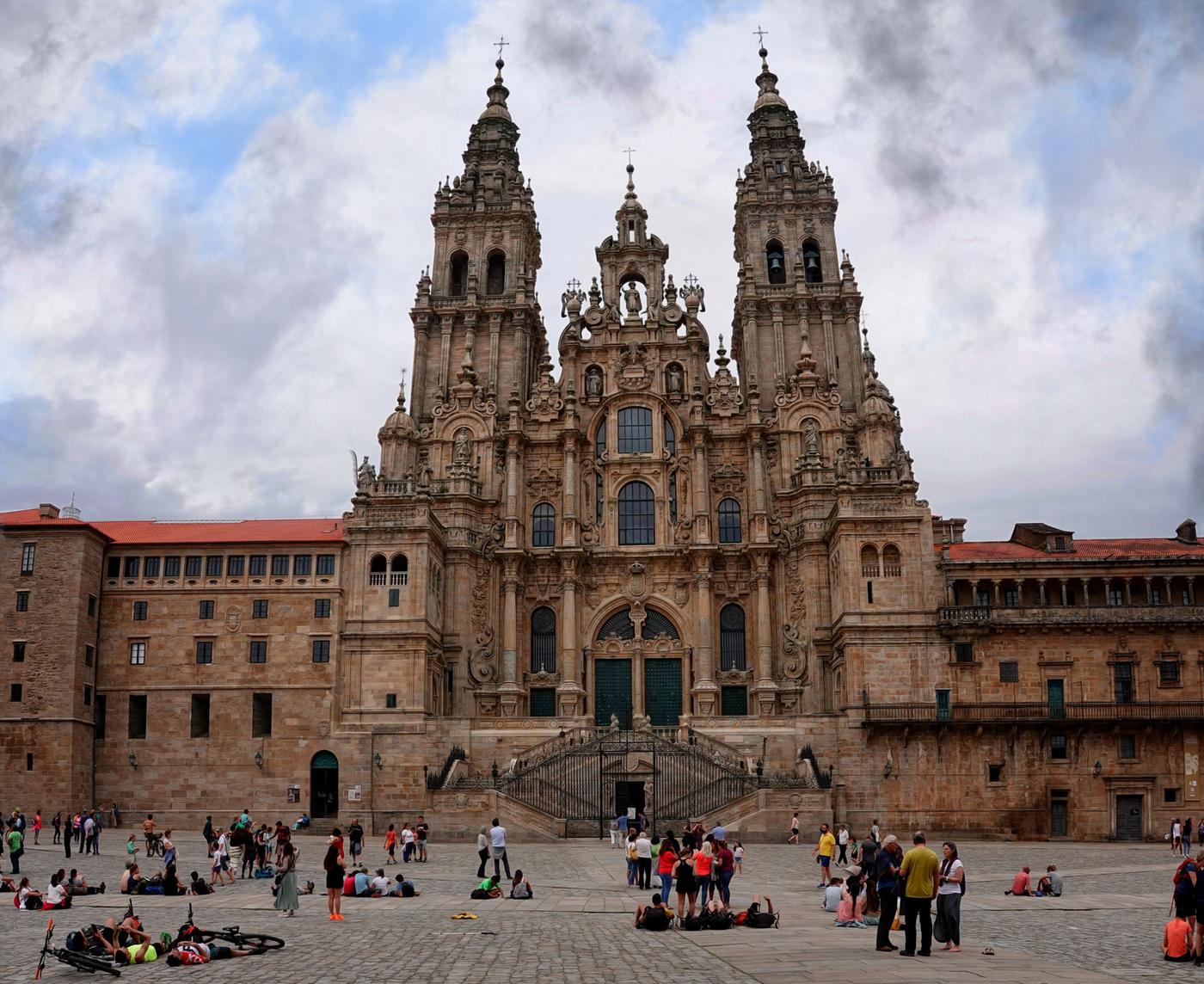
Last 100 km: Tui to Santiago
- Fly into Vigo and start walking the same day
- Six stages from Tui; add a night in Tui before you start if you want one
- Our lowest-priced package
Your own Camino
- Tell us when you can walk and how many days you have
- We plan the stages, book the rooms and move your bags
- One written price within two working days
Prices are per person sharing a double or twin room. One price per package, all year. No seasonal bands, no "from".
What every package includes.
The same spec across every package: the things that actually matter on the trail, and nothing padded in to look generous.
Rooms with private bathroom
Hand-picked guesthouses and small hotels every night, breakfast included.
Daily luggage transfer
Your bag moved stage to stage, up to 20 kg per person. You carry a daypack.
Digital roadbook + GPX
Turn-by-turn stage notes, plus GPX tracks for your phone or watch.
Pilgrim credential
Your credencial, ready for stamps from the first café to the cathedral.
Email support on the walk
One address, read every day you're on the trail, answered by someone who knows the route, not a bot.
Hotel list before the balance
You see exactly where you sleep, night by night, before you pay the balance.
For years this site has told you the truth about the Camino Português, including that you can plan and book the whole thing yourself. That hasn't changed: our guides remain free and complete, and if you'd rather do it yourself, start with what the Camino really costs and go. The packages are for people who want the logistics handled.
So we run trips the way we write. The price is on this page, not hidden behind an enquiry form. The rooms are ones we'd sleep in ourselves: hand-picked, town by town, with private bathrooms. Your bag is moved every day so you walk with a daypack, and when something goes sideways you write to one address that's read every day you're on the trail. A person who knows the route answers, not a ticket queue.
Nothing padded in to justify a price: no branded ponchos, no "welcome kits", no guide walking you in a group. Just the walk, organised properly.
Compare the packages →"We organise the trip the way we write about it. Only the parts you actually need."
Which Camino is yours?
The short version. Each detail page goes stage by stage.
| Package | Nights | Distance | Price (pp) | Solo (pp) | In one line |
|---|---|---|---|---|---|
| Full Central | 12 | 246 km | €1,150 | €1,810 | The classic: historic towns, old stone ways, the strongest pilgrim feel. |
| Full Coastal | 14 | ~258 km | €1,295 | €2,065 | The ocean: Atlantic boardwalks, beaches and sea air nearly all the way. |
| Last 100 km · 6 nights | 6 | 120 km | €695 | €1,025 | Our lowest price. You fly into Vigo and start walking the same day. |
Walking in 2027? It's a Holy Year in Santiago (the first since 2021) and it will be busy. Here's what that means for your walk.
What every booking gets.
- The hotel list before you pay the balance, so you see exactly where you sleep
- One free date change up to 45 days before you start, subject to availability
- Never more than 10 minutes' walk from dinner
- Pilgrim credential and scallop shell in your pack
- GPX tracks for every stage, free, no app to install; sent with your booking confirmation
- One price in euros: the same whoever you are and wherever you book from