What the First Three Days on the Camino Português Actually Feel Like
Updated August 2026
In short: day one is nervous and unglamorous out of Porto until a strange lightness settles in the first couple of hours, so walk slower than you want to. Day two is the one that tests you, when your feet send their first invoice and morale can dip around km 18; deal with hotspots early and without ego. Day three is when the rhythm clicks, your body stops negotiating, and most people quietly fall for it. The walking is rarely the hard part; your feet and your pace are.
Most guides tell you the distances and the elevation. Almost none tell you what it feels like, which is the thing you actually lie awake wondering about before you go. So here it is, the way the first three days tend to unfold for people walking out of Porto.
Day one: nerves, then a strange lightness
The first morning is louder in your head than on the trail. You've over-packed (everyone does), you're not sure your shoes are right, and you keep checking the yellow arrows like they might disappear. The path out of Porto is unglamorous at first: pavement, suburbs, the occasional confused turn.
Then, usually somewhere in the first two hours, something settles. There's nothing to do but walk. No inbox, no decisions bigger than "coffee now or in the next village." People describe this moment again and again: a lightness that has nothing to do with the backpack. By early afternoon you reach your first stop tired in a clean, earned way: feet warm, calves humming, quietly proud.
The tip that matters most here: walk slower than you want to on day one. The damage that ends Caminos is almost always done in the first two days by people feeling strong.
Day two: this is when your feet have opinions
Day two is the one that tests you. The novelty has worn off and your body sends its first invoice, usually the feet. A hotspot on the heel, a toe that's rubbing, that specific ache across the arch by mid-afternoon. This is completely normal and almost entirely preventable.
What actually helps: stop the second you feel a hotspot, not when it becomes a blister. Tape it, change your socks at lunch (a dry pair feels like a small miracle), and loosen your laces on the downhills so your toes aren't slamming forward. The walkers who finish comfortable aren't tougher. They just dealt with their feet early and without ego.
Emotionally, day two can dip. You might wonder, around km 18, what you've signed up for. Then you crest a rise, the Atlantic shows up on your left if you're on the Coastal route, and the doubt quietly evaporates. The Camino does this: it takes back with one view what it took from your feet.
Day three: the rhythm clicks
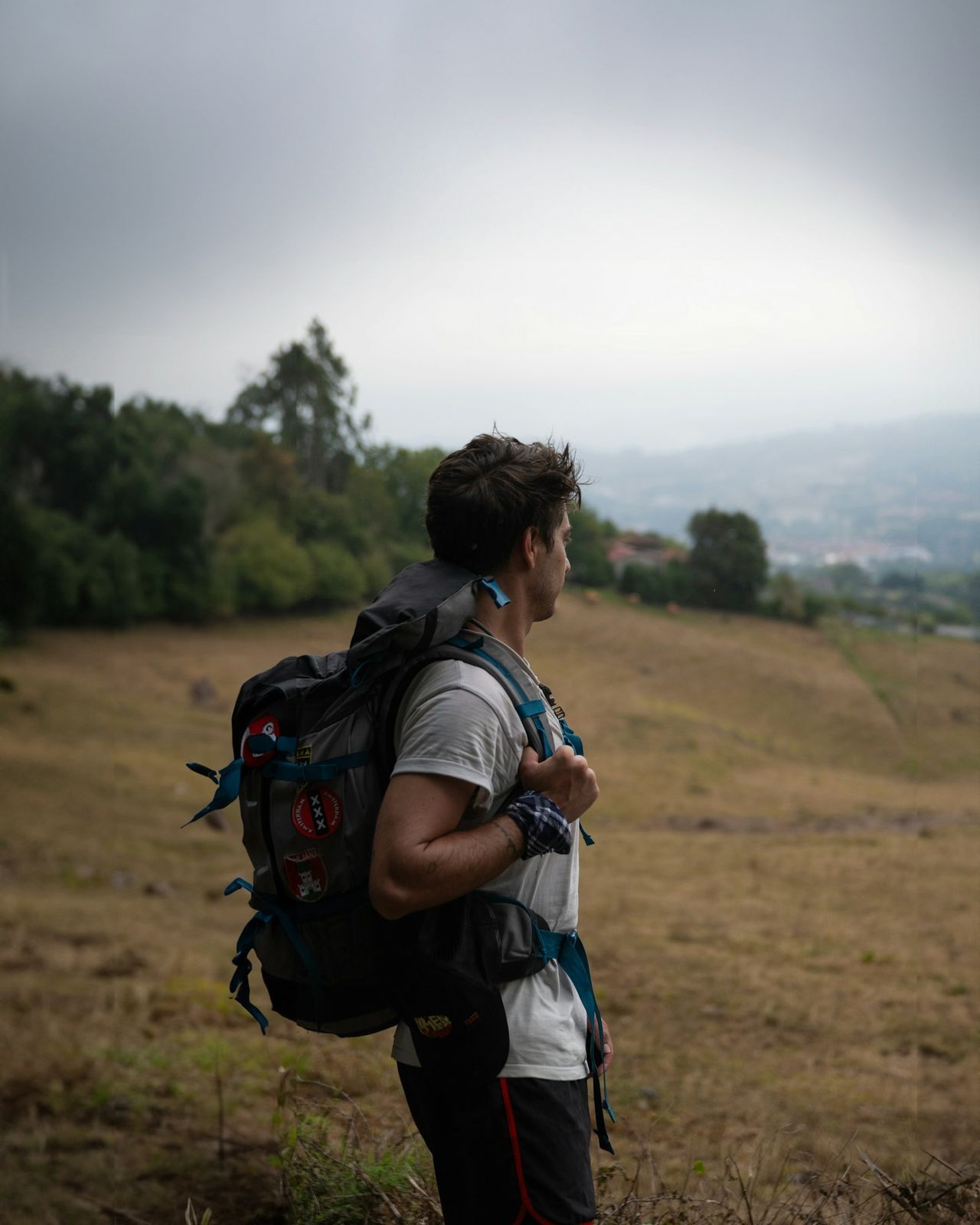
By the third morning your body has stopped negotiating. You wake before the alarm. You know how to pack in ten minutes. Your feet have made their peace (or you've made peace with them). The walking stops being a task and becomes the day itself.
This is the day most people fall for it. Conversations with strangers go deep fast. There's something about walking side by side, not facing each other, that loosens people. You'll eat an enormous lunch and not feel guilty. You'll arrive somewhere small and beautiful and feel a contentment that's hard to manufacture in normal life.
What nobody tells you about the start and the end of each day
- Mornings start earlier than you'd choose: partly the heat, partly the magic of empty trails at dawn. The first hour, cool and quiet, is often the best of the day.
- Endings follow a pattern: arrive, shower, wash your socks, find food, feel an almost chemical calm. The simplicity is the point.
So, is it for you?
If you want a holiday where someone hands you a cocktail, no. If you want to feel genuinely different at the end than you did at the start (to arrive somewhere on your own two feet and understand why people keep coming back), the Camino Português delivers that more reliably than almost any trip on earth.
The single thing that makes those first days easier is a light pack and a booked bed: whether you carry less yourself or arrange to have your bag moved ahead, and whether you reserve a room or aim early for an albergue. That's much of the difference between suffering through the start and savouring it.
Next steps: turn the feeling into a plan: how to train so day two hurts less, what to pack so your bag's light, and the complete guide, start to finish.
Common questions
What do the first days on the Camino Português feel like?
Day one is louder in your head than on the trail (nervous, over-packed, unglamorous out of Porto) until a strange lightness settles in the first couple of hours. Day two is when your feet have opinions and morale can dip. By day three the rhythm clicks, your body stops negotiating, and most people fall for it.
Why is day two on the Camino the hardest?
The novelty has worn off and your body sends its first invoice, usually the feet: a hotspot on the heel, a rubbing toe, an ache across the arch. It is normal and largely preventable: stop the second you feel a hotspot, tape it, change to dry socks at lunch, and loosen your laces on the downhills.
How do I avoid blisters in the first days of the Camino?
Walk slower than you want to on day one, because the damage that ends Caminos is usually done early by people feeling strong. Then deal with your feet without ego: stop at the first hotspot rather than waiting for a blister, change into dry socks at lunch, and loosen laces on descents so your toes aren't slamming forward.
When does the Camino Português start to feel good?
Usually day three. By the third morning your body has stopped negotiating, you wake before the alarm, packing takes ten minutes, and the walking becomes the day itself rather than a task. It is the day most people fall for it.
Is the Camino Português right for me?
If you want a holiday where someone hands you a cocktail, no. If you want to feel genuinely different at the end than at the start (to arrive somewhere on your own two feet and understand why people keep coming back), it delivers that more reliably than almost any trip.