Walking the Camino Português in the 2027 Holy Year
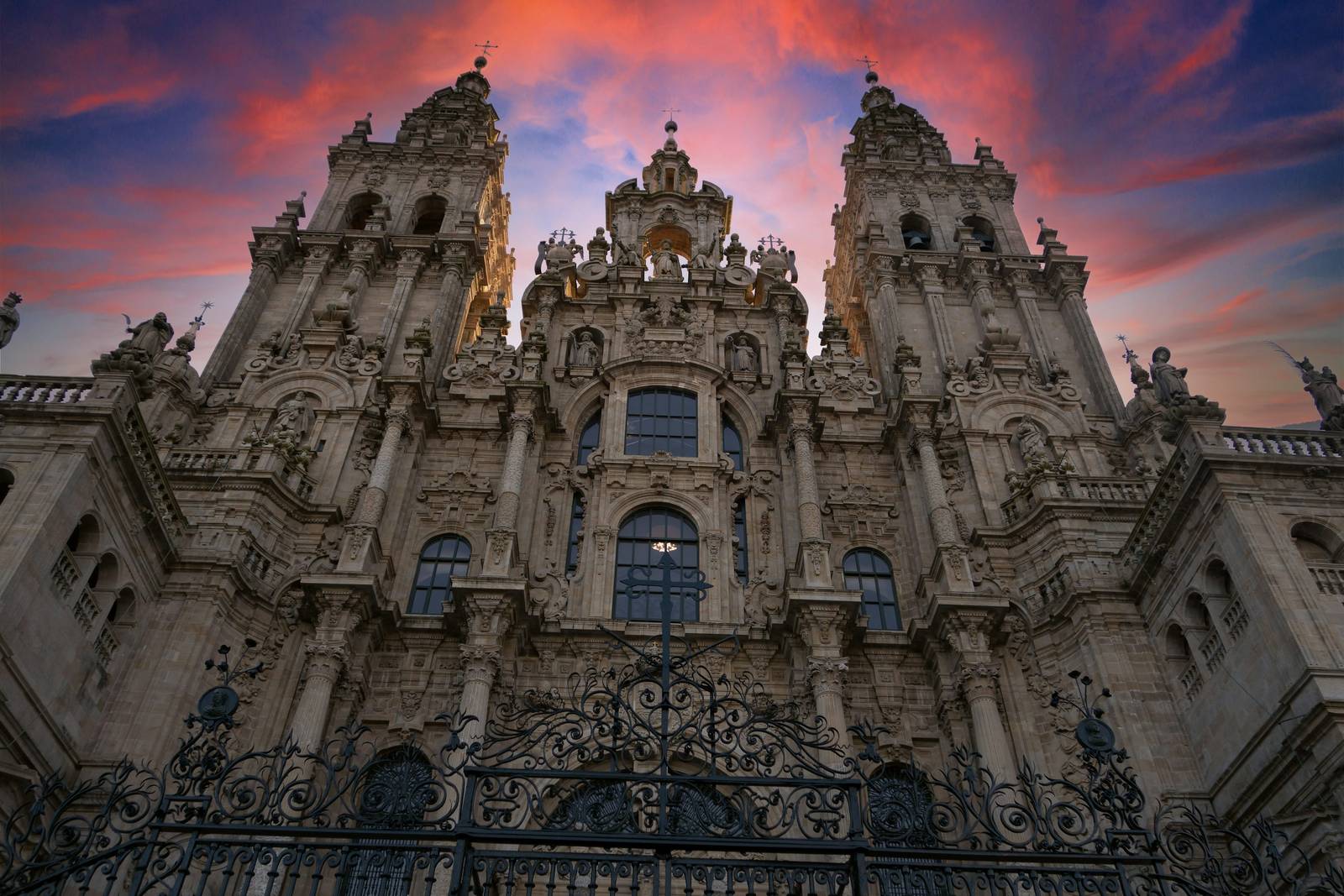
Updated August 2026
Short answer: 2027 is a Holy Year, an Ano Santo Xacobeo, declared whenever 25 July, the feast of Saint James, falls on a Sunday. It's the first since the extended 2021–22 Holy Year, the last until 2032, and widely expected to be the busiest year the Camino has ever seen. You can still have a wonderful walk on the Camino Português in 2027, but book earlier than feels natural, favour the shoulder months, and treat the final stretch from Tui as the pinch point.
| When | What to expect | Our verdict |
|---|---|---|
| Peak 2027 (Jul–Aug) | The full Holy Year spectacle, plus record crowds, a nightly bed race, a heaving Santiago | Only if the occasion itself is the point |
| Shoulder 2027 (May–Jun, Sep–Oct) | Holy Year atmosphere with kinder weather; still expect crowds like a normal peak summer | Our pick for most walkers |
| Fit in autumn 2026 | The quietest Camino you'll get this decade, but the autumn 2026 window is closing; after it, the deep shoulder of 2027 (late April, or October after the crowds) | Best if crowds would spoil it and you can go at short notice |
| Wait for 2032 | The next Holy Year after 2027: a five-year wait | Fine, but that's a long time to sit on a dream |
We've walked this route in quiet months and busy ones, and the difference is real. A Holy Year turns that dial further than anything else on the calendar. Here's what the Ano Santo is, what changes on the ground, and how to plan a 2027 walk you'll love rather than endure.
What is a Holy Year, and why is 2027 one?
A Holy Year (Ano Santo Xacobeo in Galician, the Jubilee Year of Compostela) is declared whenever 25 July, the feast of Saint James, falls on a Sunday. In 2027 it does. The calendar rotates them round in a repeating pattern of 6, 5, 6 and 11-year gaps: fourteen in a century, no more.
The last one was 2021, extended through 2022 because the pandemic had emptied the route, the first time in its history a Holy Year ran across two calendar years. After 2027, the next is 2032, then 2038. Miss it, and the wait is five years.
None of it changes the path itself; the arrows stay the same yellow. What changes is what waits in Santiago, and how many people are walking there beside you.
The Holy Door: what actually opens
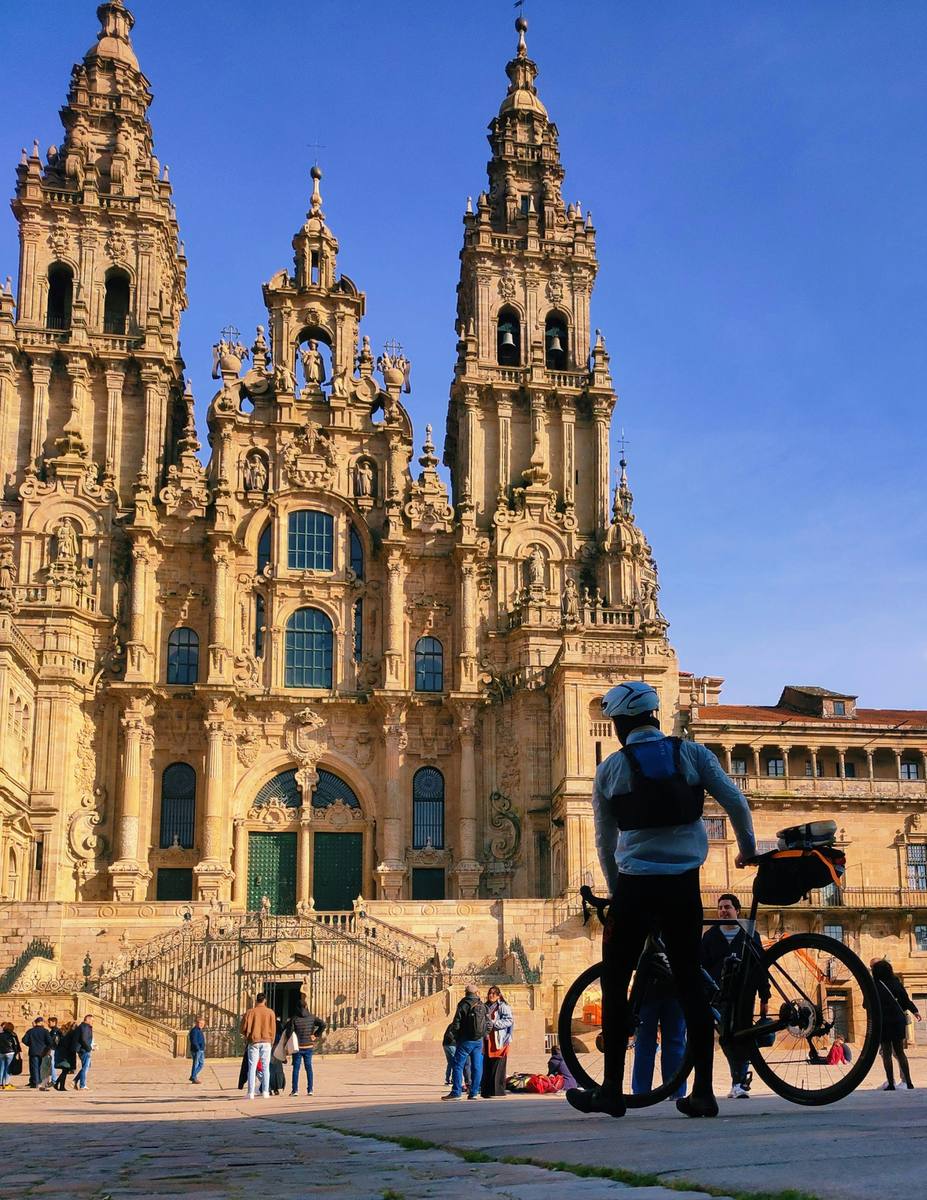
On the Praza da Quintana side of Santiago cathedral there's a door that stays sealed in ordinary years: the Porta Santa, the Holy Door. It's opened only for a Holy Year, in a ceremony traditionally held at the end of December of the year before (31 December 2026 for this one) with the Archbishop symbolically breaking down the wall that seals it. It stands open through 2027, then is sealed again. Walking through it is the defining act of a Holy Year pilgrimage, and impossible in any other year.
For Catholic pilgrims, the Holy Year carries the jubilee plenary indulgence. Tradition asks a few specific things: visiting the cathedral during the Holy Year, a prayer (at least the Creed or the Our Father, with a prayer for the Pope's intentions), and the sacraments of confession and communion within about a fortnight. If that's your faith, 2027 is the reason to go. If it isn't, you're as welcome as ever, but the Holy Year still shapes your walk, because of what it does to the numbers.
What changes on the ground in 2027
Here's the blunt part. The extended 2021–22 Holy Year set a record at the time: roughly 438,000 Compostelas in 2022. Every year since has broken it anyway, with more than 530,000 pilgrims in 2025, without a Holy Year. Stack a jubilee on top and 2027 is widely expected to be the busiest year in the Camino's history. In practice:
- Beds go first. Municipal albergues don't take bookings (first come, first served), so the afternoon "bed race" gets real. Private albergues and guesthouses are bookable, and in 2027 they'll sell out far earlier than you're used to.
- The last stretch is the pinch point. The Compostela requires the final 100 km on foot, so short-trip pilgrims concentrate between Tui and Santiago in any year. In a Holy Year, that's where the whole surge lands.
- Santiago runs hot. Longer Compostela queues at the Pilgrim's Office, a packed pilgrim mass, city rooms gone early. Book your Santiago bed before almost anything else.
- Less slack everywhere. Popular dinner spots fill, bag-transfer slots tighten, and last-minute bargains mostly won't exist.
- The upside is real too. Full albergue kitchens, communal dinners that spill onto the street, a city in festival mode when you arrive. A Holy Year Camino is crowded and electric; both things are true.
Why the Camino Português will feel it more than most
This stopped being a quiet back route years ago. The Portuguese Camino, Central and Coastal together, is the second most walked route to Santiago, carrying roughly a third of all arriving pilgrims behind only the Camino Francés, and the Coastal variant has lately been the fastest-growing major route of all. Of the four most common starting points on the whole network, two (Tui and Vigo) are on it, and Porto is not far behind.
Geography does the rest. Tui sits just beyond the 100 km minimum the Compostela requires, which makes Tui to Santiago the default short Camino and the natural landing zone for the 2027 wave. From Porto to Tui you'll notice the year; from Tui to Santiago you'll be walking in the thick of it.
How to walk it well in 2027
- Favour the shoulder months. May, June, September and early October are always our advice, doubly so in 2027. Just calibrate: shoulder season in a Holy Year will likely feel like peak season in a normal one. The month-by-month trade-offs are in when to walk the Camino Português.
- Pick your booking philosophy early. Booking private rooms ahead buys certainty and costs spontaneity; the albergue way keeps you free but means early starts and a plan B for full towns. In 2027 the middle ground shrinks, so decide which walker you are before you fly. The full trade-offs are in where to sleep: albergues vs hotels.
- Use the quieter ends of the route. The Central route through northern Portugal, before Tui, stays noticeably calmer than the final stretch. Starting in Lisbon gives you weeks of near-solitude before the crowds gather. And the Variante Espiritual, which loops out from Pontevedra before rejoining near Padrón, buys a couple of quieter days. Every option, though, funnels into the same final approach.
- Start your days early. It beats the heat, the bed race and the coach parties, and the route at dawn is the best version of it anyway.
- Book the bookends first. Santiago at the end, your starting city at the start: the two nights hardest to fix later.
Should you just avoid 2027 altogether?
Our take: if your picture of the Camino is a quiet path, an empty café and a bunk you never had to book, don't walk peak 2027. The quietest option left is autumn 2026, and that window is closing; after it, take the deep shoulder of 2027 (late April, or October once the Holy Year crowds thin) and accept a busier version of it.
But if the occasion pulls at you, the Holy Door open, the route humming, arriving in a city mid-celebration, then 2027 is exactly the year to go, planned properly. A Holy Year Camino is a different walk, not a worse one. There's no wrong answer, only one that matches your temperament.
When to start planning
Earlier than usual, is the short version. For peak-summer 2027, lock flights and your key beds (Santiago, your starting city, the Tui to Santiago towns) as soon as your dates firm up, and at least six months before you walk. For the shoulder months, give yourself a few months' lead rather than a few weeks'. What's worth reserving versus leaving loose is worked through in what to book before the Camino Português, and don't leave the small set-up items (an eSIM, insurance, transfers) for the last week. Starting from zero? Stages, fitness and packing are all in the complete guide to walking the Camino Português.
Our pick
Walk it. A Holy Year comes round fourteen times a century, and the Portuguese route in 2027 will be the Camino at its most alive. Our pick for most walkers: shoulder-season 2027, booked further ahead than feels natural. May–June or September–October, bookends reserved first, Tui to Santiago beds pinned down early. If crowds would genuinely spoil it and you can still get away this September or October, walk the tail of 2026 instead with a clear conscience. The only plan we'd talk you out of is drifting into July 2027 with nothing booked and expectations of solitude.
Next steps: start with the complete guide to the Camino Português, then pick your month in when to walk and settle your bed strategy in where to sleep: albergues vs hotels.
Common questions
Is 2027 a Holy Year on the Camino de Santiago?
Yes. 2027 is an Ano Santo Xacobeo, a Jacobean Holy Year, because 25 July, the feast of Saint James, falls on a Sunday. It is the first since the 2021 Holy Year, extended through 2022 for the pandemic, and the last until 2032.
When does the Holy Door in Santiago open for the 2027 Holy Year?
The Holy Door (Porta Santa) of Santiago cathedral is due to be opened in the traditional ceremony on 31 December 2026, and it stays open throughout the Holy Year before being sealed again. In ordinary years it is closed: walking through it is only possible in a year like 2027.
Do I need to be religious to walk the Camino Português in a Holy Year?
No. The route is open to everyone, and most of what changes in 2027 (crowds, fuller albergues, busier towns) affects every walker equally. The jubilee indulgence is a Catholic tradition with its own conditions for those who seek it; for everyone else the year simply means a bigger, more festive Camino.
How busy will the Camino Português be in 2027?
Busier than anything the route has seen. The extended 2021–22 Holy Year set a record at the time, and every year since has broken it anyway: more than 530,000 pilgrims reached Santiago in 2025 without a Holy Year at all. As the second most walked route, expect real pressure on beds, especially on the last stretch from Tui.
When is the next Holy Year after 2027?
2032, then 2038. Holy Years happen whenever 25 July falls on a Sunday, in a repeating pattern of 6, 5, 6 and 11-year gaps. Miss 2027 and the wait is five years.