How Hard Is the Camino Português, Really?
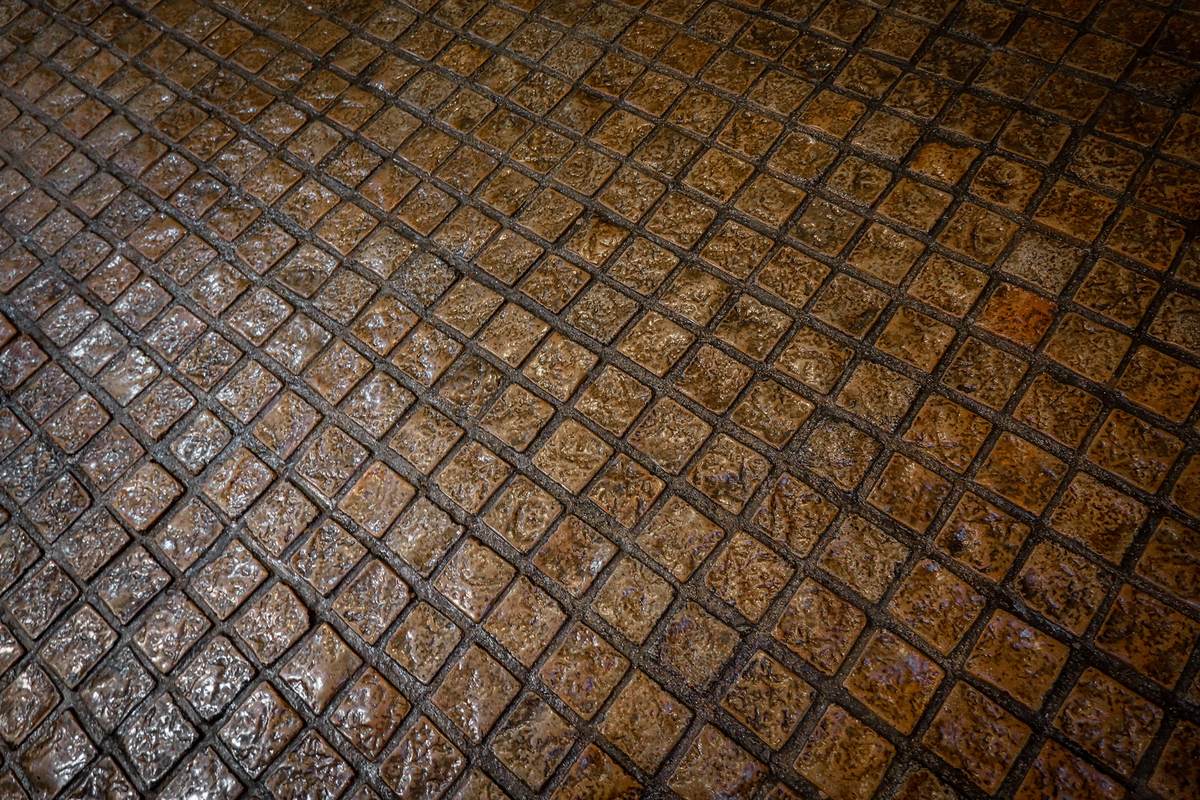
Short answer: the Camino Português is one of the easier Caminos: mostly flat-to-rolling, no mountain stages, one real climb (Alto da Portela Grande, about 400 m). But easier isn't easy: 15–25 km every day for roughly two weeks is a genuine physical ask, and the difficulty is cumulative, not technical. What actually wears walkers down: cobblestones, summer heat, bad footwear, over-long stages. All manageable, if you respect them.
| Route | High point | Character |
|---|---|---|
| Português Central (Porto) | ~400 m, once | ~246 km, roughly two weeks. Rolling farm tracks, woods, plenty of cobbles, one real climb |
| Português Coastal | Lower still | ~258 km as we walk it, 250–280 km by variant. Flat boardwalk and promenade, then shares the Central from Redondela |
| Camino Francés | ~1,400–1,500 m | ~780 km, four to five weeks, true mountain days (the Pyrenees, O Cebreiro) |
Ask ten pilgrims whether the Camino Português is hard and you'll get ten answers, because it depends what your body has been doing for the past year. What we can say plainly: it's the gentlest of the major Camino routes, the one we'd hand a first-timer. It still asks more than most people expect. The walkers who struggle are almost never beaten by a hill. They're beaten by day five.
Here's the full picture (terrain, cobbles, the stages with teeth, Coastal versus Central, heat) and how to tilt each one in your favour.
Easier than the Francés, and it's not close
Numbers first. The Camino Francés crosses the Pyrenees on day one, climbing to around 1,400 m, with more mountains later, O Cebreiro among them. The Português from Porto tops out at about 400 m, once, on a climb most people finish in a morning. Nothing is technical: no scrambling, no exposure, no route-finding worries, and towns come so often that coffee, a pharmacy or a bail-out taxi are never far.
The full Francés is also roughly 780 km and four to five weeks; Porto to Santiago is around 246 km and two weeks. The days are similar in length; what you lose is attrition, and attrition is what ends Caminos.
That's what people mean when they call the Português "easy", and it's fair. It is also where trouble starts, because "no mountains" quietly becomes "no effort required". Wrong.
Cobblestones are the real enemy
Nobody trains for cobbles; everybody remembers them. Long stretches of the Portuguese side run on calçada, traditional granite paving, plus hard asphalt through villages. It's beautiful. It's also merciless: cobbles don't flex, they work your ankles all day, and they turn slick in rain. The result isn't drama; it's accumulation: bruised soles, hot spots, blisters in odd places, feet that throb by mid-afternoon.
Two consequences. First, cushioning beats armour: broken-in cushioned trainers or trail shoes serve most walkers better here than stiff mountain boots. The footwear argument is in what to pack for the Camino Português. Second, tender feet fare better on the Coastal's boardwalks out of Porto than on the Central's stones.
What 15–25 km a day actually feels like
A typical stage is somewhere in the twenties: five to seven hours of walking. Day one feels great. Day two feels fine. Days three to five are the reckoning: blisters ripen, shins and Achilles tendons start commenting, and mornings begin with a stiff-legged hobble that loosens in twenty minutes. It's normal, and it's when early overreachers start paying compound interest.
The quiet truth of multi-day walking: the challenge isn't 15–25 km. It's 15–25 km again tomorrow, on today's feet. There's no recovery day unless you plan one. That's the whole difficulty in one sentence: no single day is hard; the sum of them is.
The stages with teeth
Two Central-route days earn their reputation:
- Barcelos → Ponte de Lima, roughly 34 km. Nothing steep; it's hard purely because it's long, and it lands early, when feet are at their most mutinous. There are beds in villages part-way, so you can split it into two easy days. Many people should.
- Ponte de Lima → Rubiães, under 20 km, but home to the route's one genuine climb: up the Labruja valley to Alto da Portela Grande at about 400 m, the highest point of the whole walk from Porto. The final section is steep and rocky, the descent wants care, and then it's done: coffee on the far side by lunchtime. Poles help.
Beyond those two, Galicia rolls more than the profiles admit: short, sharp climbs between Redondela and Pontevedra that look like nothing on paper and feel like more at kilometre eighteen. Every stage, with distances and where to split them, is in our stage-by-stage guide from Porto to Santiago.
Coastal or Central: which is easier?
On paper, the Coastal. It runs at or near sea level on boardwalk, promenade and quiet lanes, and only picks up real hills when it merges with the Central at Redondela. The Central rolls constantly, carries more cobble and owns the Labruja climb.
In practice it's closer than it looks: dead-flat walking works the same muscles for six hours (its own fatigue), the Coastal is exposed to sun and wind, and boardwalk is hard underfoot. The Central repays its hills with shade, variety and softer ground.
Our blunt summary: the Coastal is slightly easier and much flatter; the Central slightly harder and, in heat, often more comfortable. Neither will overface a prepared walker.
Summer heat is the sleeper difficulty
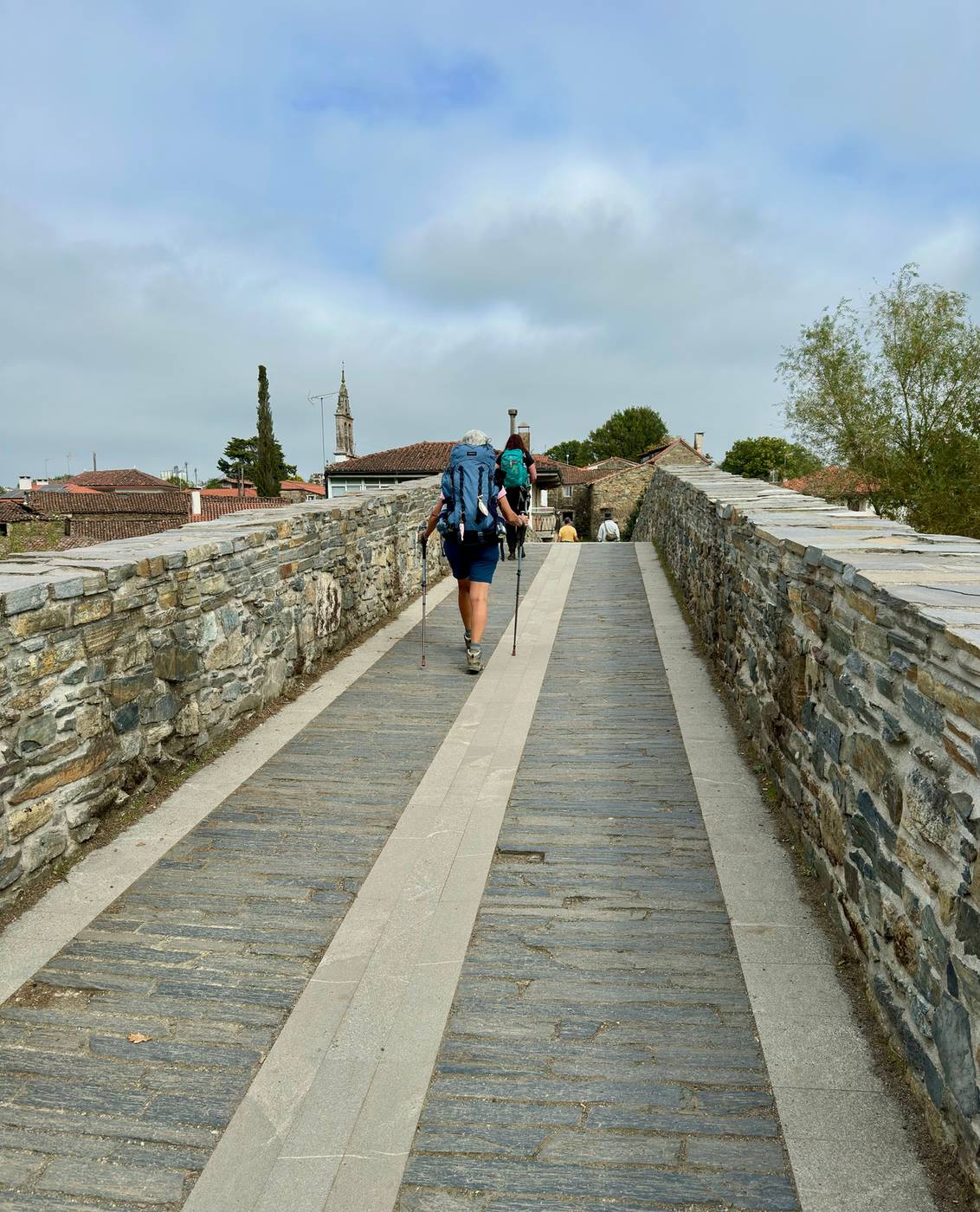
In our book, heat is a bigger threat here than any climb. Inland northern Portugal and Galicia regularly push past 30 °C in July and August, and long stretches of boardwalk, asphalt and open farmland offer no shade. An ordinary 22 km day becomes a punishing one, and it punishes late starters most.
If you must walk in high summer: leave at first light, finish by early afternoon, drink at every fountain, and take your sun hat as seriously as your shoes. If your dates are flexible, May, June and September give you the same route with the thermostat turned down; the month-by-month is in when to walk the Camino Português.
Who shouldn't underestimate it
Bluntly, because this is where it goes wrong:
- Sedentary starters. If your normal week involves almost no walking, 20-plus kilometres a day is a shock your tendons will invoice you for. You can still go: train first, plan shorter stages.
- Anyone in bad footwear. Box-fresh shoes, worn-flat trainers or stiff unbroken boots on cobbles are the most reliable way to ruin this walk.
- Overpackers. Every extra kilo is carried every kilometre; a heavy pack alone turns an easy Camino hard.
- Schedule-crammers. A fixed flight home and zero slack means walking injured instead of resting. Build slack in.
Notice what isn't on the list: age. Fit walkers in their seventies handle this route comfortably; unprepared walkers of any age don't.
How to make it easier (none of this is cheating)
- Walk shorter stages. Guidebook stage-ends are conventions, not commandments. Average 15–18 km instead of 25 and the trip changes character.
- Send your bag ahead. Luggage transfer carries your pack to the next bed while you walk with a daypack. It is the best-value comfort upgrade on the route.
- Take a rest day. Pontevedra and Ponte de Lima are the obvious candidates.
- Start further along. From Tui it's just under 120 km, five or six days, and still earns the Compostela.
- Ease in. Make your first two days your shortest; those 48 hours set the tone for your feet.
- Book beds in high season, so no day grows surprise kilometres hunting for one. Sort flights and beds early; the small pre-trip jobs (insurance, an eSIM) are quick wins in the final week.
Do you need to train for it?
Need is a strong word; benefit is guaranteed. Reasonably active people (anyone comfortable walking 10 km) can manage the Português with sensible stages and no special programme. Everyone else should give it six to eight weeks: build to back-to-back long walks in the exact shoes you'll take, with your loaded pack, and include pavement: hard-surface miles, not soft trail miles, prepare you for Portugal. The full plan is in how to train for the Camino Português.
Our verdict
The Camino Português is genuinely one of Europe's gentlest long-distance walks, and it is still a long-distance walk. Nothing on it is technical; everything on it is cumulative. Respect three things (footwear, stage lengths and heat) and it may be the most manageable two weeks of walking you ever do. Disrespect them and the cobbles quietly collect the debt. Planning in earnest? Start with the complete guide to walking the Camino Português: routes, seasons, budget and booking in one place.
Next steps: get body and plan ready together: how to train for the Camino Português, the stage-by-stage from Porto to Santiago, and what to pack (your feet will thank you).
Common questions
Is the Camino Português hard?
It is one of the easier Caminos: mostly flat-to-rolling, no mountain stages, and one real climb (Alto da Portela Grande, about 400 m). The real challenge is repetition: 15–25 km every day for roughly two weeks. The difficulty is cumulative, not technical; cobblestones, heat and footwear cause more trouble than any hill.
Which is easier, the Coastal or the Central route?
The Coastal is flatter (long stretches at or near sea level, much of it boardwalk) and only picks up hills when it joins the Central at Redondela. The Central rolls more, has more cobblestones and owns the one real climb after Ponte de Lima, but offers more shade in heat. Neither is difficult for a prepared walker.
What is the hardest stage of the Camino Português?
Two Central-route days stand out. Barcelos to Ponte de Lima is roughly 34 km: hard purely for its length, and easy to split over two days. Ponte de Lima to Rubiães is short but climbs steep, rocky ground to Alto da Portela Grande at about 400 m, the highest point of the walk from Porto.
Can a beginner walk the Camino Português?
Yes. It is arguably the best first Camino. But beginner should mean new to Caminos, not new to walking. If you are sedentary, train for several weeks, walk back-to-back days in the shoes you will take, plan shorter stages and consider luggage transfer. Those who struggle most assumed flat meant effortless.
How can I make the Camino Português easier?
Walk shorter stages than the guidebook standard, send your bag ahead by luggage transfer, build in a rest day, and avoid July and August if you dislike heat. Starting from Tui, just under 120 km, still earns the Compostela. Cushioned, broken-in footwear matters more than raw fitness on the cobbles.