Walking the Camino Português Solo as a Woman: What to Know
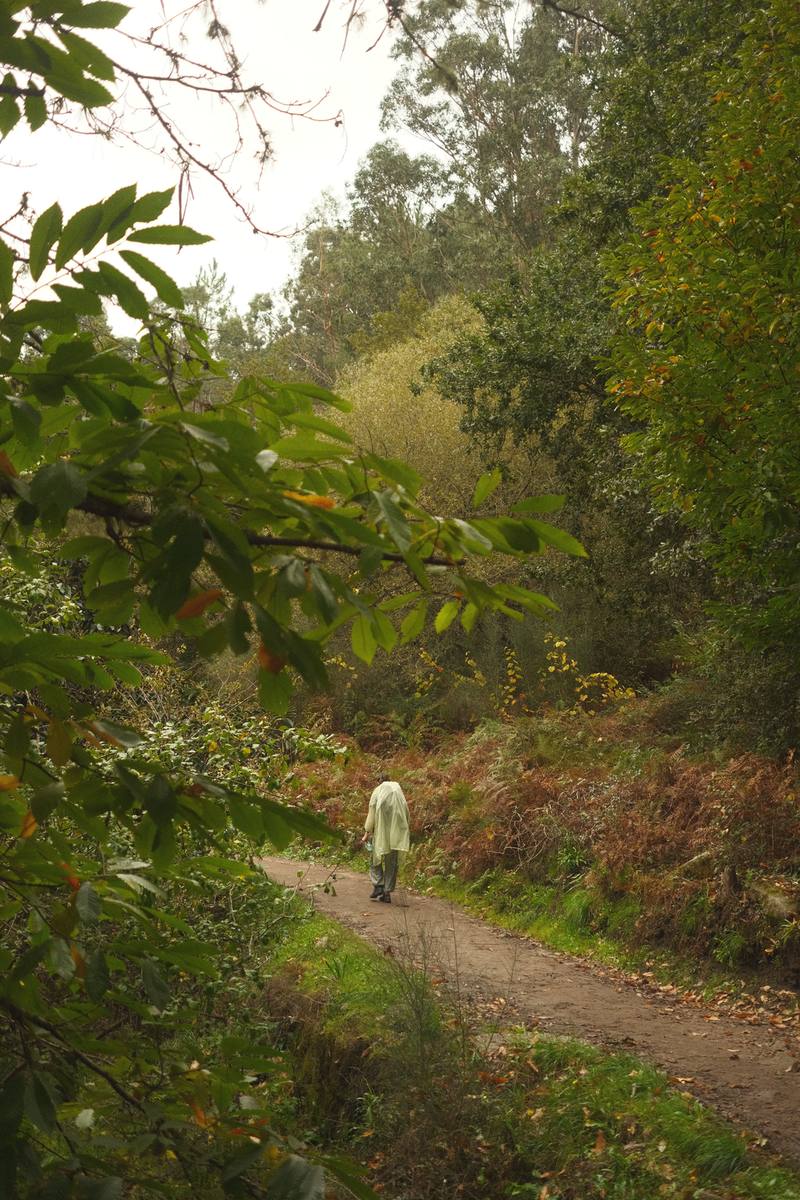
Short answer: the Camino Português is one of the most solo-friendly long walks in Europe, women included. It's the second-busiest Camino, so from Porto north you're rarely out of sight of other pilgrims; the yellow arrows make navigation a non-issue; and towns with cafés, pharmacies and beds come every few kilometres. Solo doesn't mean unsafe here, and it doesn't mean lonely, unless you want it to. What follows are the planning points that actually matter.
| Stretch | How busy? | Solo verdict |
|---|---|---|
| Porto → Santiago (Central) | Busy spring to autumn: a steady stream of pilgrims all day | The easiest solo start there is: company on tap, beds and cafés everywhere |
| Porto → Santiago (Coastal) | Popular, a touch quieter than the Central until the routes merge | Just as solo-friendly: ocean boardwalks, slightly fewer walkers between towns |
| Lisbon → Porto | Genuinely quiet: some days you'll see no other pilgrim at all | Fine solo, but a different trip: longer stages, more planning, real solitude |
None of that is cheerleading; it's just what the route is. Roughly half the pilgrims collecting a Compostela in Santiago each year are women (some years slightly more), and plenty of them walked alone, by choice. A solo woman on the Camino Português isn't an exception to be planned around; she's a normal part of the traffic. Planning still matters. It's just short: a handful of sensible decisions, covered below.
Why this route suits solo women
Three things do most of the work.
- The traffic. The Português is the second-most-walked of all the Camino routes. In season between Porto and Santiago you'll pass pilgrims all day and see the same faces at café stops, which means company, witnesses and help are minutes away, not hours. A well-walked trail is the single best safety feature a long-distance path can have.
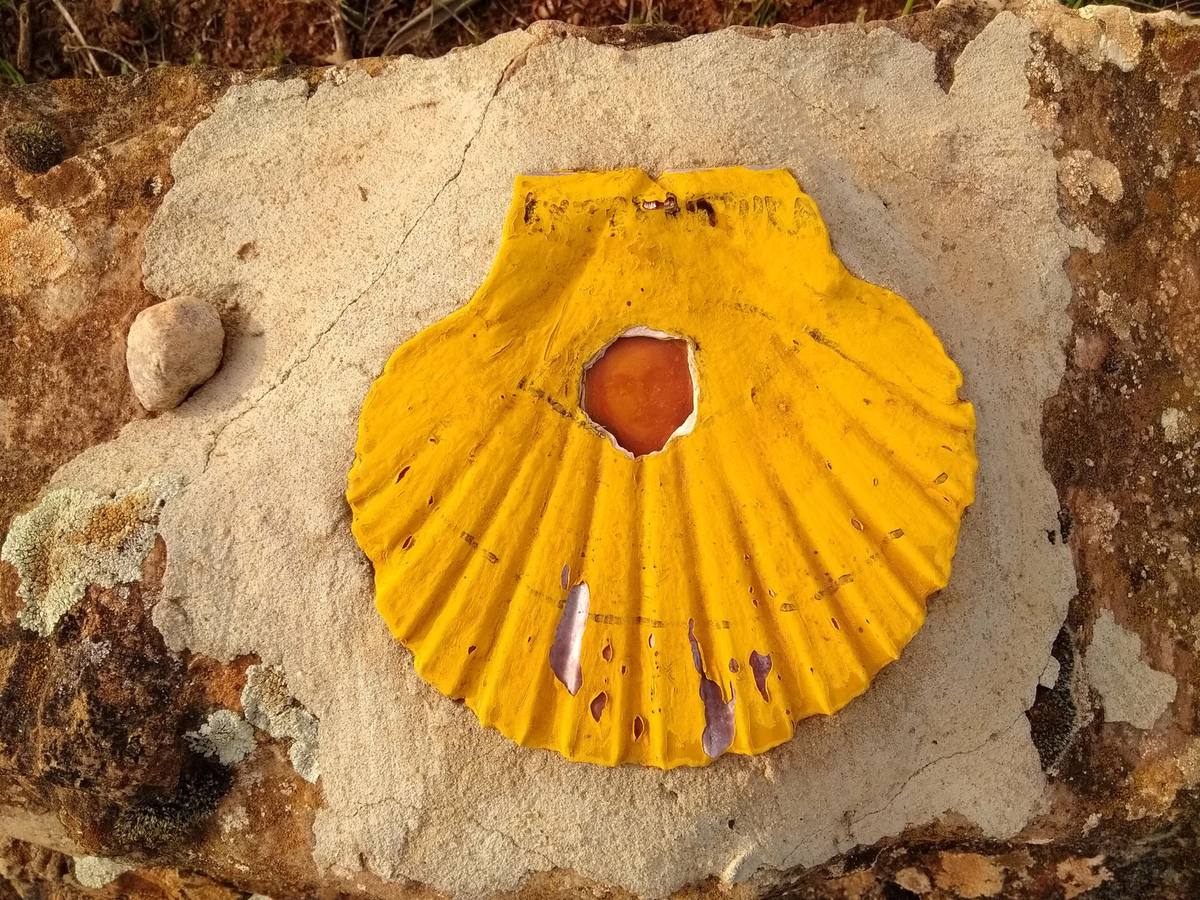
- The waymarking. Yellow arrows and stone markers turn up at almost every junction. Navigation is not a skill this walk demands: a wrong turn costs minutes, and a free offline map app is all the backup you need; you're never dependent on asking a stranger the way.
- The towns. Settlements come every few kilometres on the Porto to Santiago stretch, each with a café, usually a pharmacy, often a taxi number pinned to the wall. You can cut a day short, sit out a storm or bail to a bus without drama: flexibility worth more to a solo walker than any gadget.
Where the quiet stretches are
Not all of the Camino Português is busy, and it's worth knowing which parts are which before you pick a starting point.
Porto to Santiago, Central or Coastal, is the busy half. This is where most pilgrims walk, and in season you'll have steady company on either variant. It gets busier still over the final stretch from Tui and Valença (the minimum-distance start for a Compostela), where fresh walkers pour in. If your worry is being alone out there, start in Porto and you mostly won't be.
Lisbon to Porto is the quiet half. Far fewer pilgrims, longer stages, sparser accommodation and more road walking. There are days you may not see another walker at all. It's absolutely done solo, but it's a different trip: more planning, more self-reliance, real solitude rather than the sociable kind. We'd point a first-time solo walker to Porto and save Lisbon for a second Camino, once the rhythm is familiar.
Even the busy half goes quiet at first light: leave early and you'll often have an hour or two of empty track before the day fills in behind you.
Albergue bunks or a room of your own?
This choice shapes a solo Camino more than any other, because it decides your evenings.
- Albergues are the sociable option: bunks, shared kitchens, communal dinners and a ready-made circle of people who watched you walk in. Solo walkers are the norm here, not the oddity. Municipal ones can't be booked (you turn up), while private albergues can.
- Private rooms buy you a locked door, your own bathroom and an unbroken night's sleep. Nobody snoring, nobody's head-torch at 5am, and an evening entirely your own when you need one.
Plenty of solo women mix the two: dorms most nights for the company, a private room every third or fourth night to actually rest. In high season, book a day or two ahead whichever you choose: the one situation worth engineering out of a solo walk is hunting for a bed at dusk in a full town. The full trade-offs are in where to sleep on the Camino Português: albergues vs hotels.
The safety habits that actually matter
We'll be blunt: the everyday risks here are traffic on road sections, heat and blisters, not the scenarios that dominate the worrying beforehand. These habits are the ones we'd hand any solo traveller, and they cost nothing.
- Share your plan. Someone at home should know each day's start and end point, with a quick message when you arrive. Live-location sharing, if you like it, does the same job silently.
- Walk in daylight. Start early and finish by mid-afternoon. That keeps you off road shoulders at dusk and leaves slack if anything goes slowly.
- Stay reachable. An eSIM installed before you land, offline maps downloaded, a small battery bank. 112 is the emergency number in both Portugal and Spain.
- Trust your instincts without apology. Change dorms, take a taxi, wait at a café until other walkers pass. There's no prize for toughing out a situation that feels wrong, and nobody will think less of you.
- The boring basics. Cards in two places, a photo of your passport in the cloud, valuables in your sleeping bag rather than dangling off a bunk hook.
Company when you want it, solitude when you don't
The Camino's daily rhythm quietly solves the solo traveller's oldest dilemma. Days are yours: walk alone with your thoughts as long as you like. Evenings are shared: albergue kitchens and communal dinners hand you conversation without effort. Most solo walkers fall in with a loose "Camino family" inside two or three days; the road does the introductions, because everyone is heading the same way at roughly the same pace.
Opting out is just as easy, and just as respected. Leave earlier, book a private room, or simply say you're walking alone today. Nobody blinks. The Camino is one of the few places where "I'd rather walk by myself" is a complete sentence.
The solo costs
Here's the good news: albergues charge per bed, so there is no solo penalty. A woman walking alone pays exactly what anyone else pays for the same bunk, the same pilgrim menu, the same morning coffee.
The solo cost appears at the comfortable end. A private double occupied by one person costs more per head than the same room shared, because you're paying for the room. And packaged organised trips are usually priced per person sharing, with a single supplement added for solo travellers. If you're considering one, ask for the solo price before comparing anything else. Walking independently and mixing dorms with the occasional private room keeps a solo budget close to anyone else's; the full breakdown is in what the Camino Português really costs.
Which month should a solo walker pick?
For a first solo Camino we'd pick May, June or September: enough pilgrims on the trail that company is guaranteed, everything open, and the weather kind. July and August work too (the route is at its fullest, which some solo walkers actively like), but heat and bed pressure make booking ahead non-negotiable. Winter is the one season we'd hesitate over for a first solo walk: many albergues close, daylight is short, and the solitude is real rather than optional. The month-by-month detail is in when to walk the Camino Português.
Our take
If you've been waiting for a friend to commit before walking this route, stop waiting. The Camino Português from Porto is about as gentle an introduction to solo long-distance walking as exists: waymarked to the point of foolproof, busy enough that alone never has to mean lonely, and organised enough that every problem has a town, a taxi or a fellow pilgrim within reach. Pick a shoulder month, book your first two nights, tell someone at home your plan, and go. For everything else (route choice, stages, training, packing) start with the complete guide to walking the Camino Português.
Next steps: decide your evenings with where to sleep (albergues vs hotels), pick your window in when to walk the Camino Português, and sanity-check the numbers in what it really costs.
Common questions
Is the Camino Português safe for a woman walking alone?
As safe as long-distance walking gets. It is a busy, well-waymarked route through small towns where pilgrims have been part of daily life for centuries, and solo women are a normal part of the traffic. The sensible habits are the ones you would use anywhere: walk in daylight, let someone know your plan, keep your phone charged and connected, and trust your instincts. The emergency number in both Portugal and Spain is 112.
Will I actually be alone on the Camino Português?
Only if you choose to be. Between Porto and Santiago in season you will see other pilgrims all day and can share albergues and dinner tables at night. Most solo walkers fall in with an informal Camino family within a few days. For genuine solitude, walk the Lisbon to Porto stretch or go in the quiet months.
Do solo walkers pay more on the Camino Português?
Not in albergues, which charge per bed: a solo walker pays the same as anyone else. Private rooms cost more per head when you are alone, because you pay for the room, and packaged organised trips are usually priced per person sharing, with a single supplement for solo travellers. Walking independently and mixing dorms with the odd private room keeps a solo budget close to anyone else's.
Should I book beds ahead if I'm walking solo?
In high season, and on the busy final stretch from Tui, yes. Booking a day or two ahead is enough, and it means you are never hunting for a bed at dusk. In the shoulder months, booking your first night or two and the bigger towns usually covers it. Municipal albergues do not take bookings; private albergues and guesthouses do.