Camino Português vs Camino Francés: Which Should You Walk?
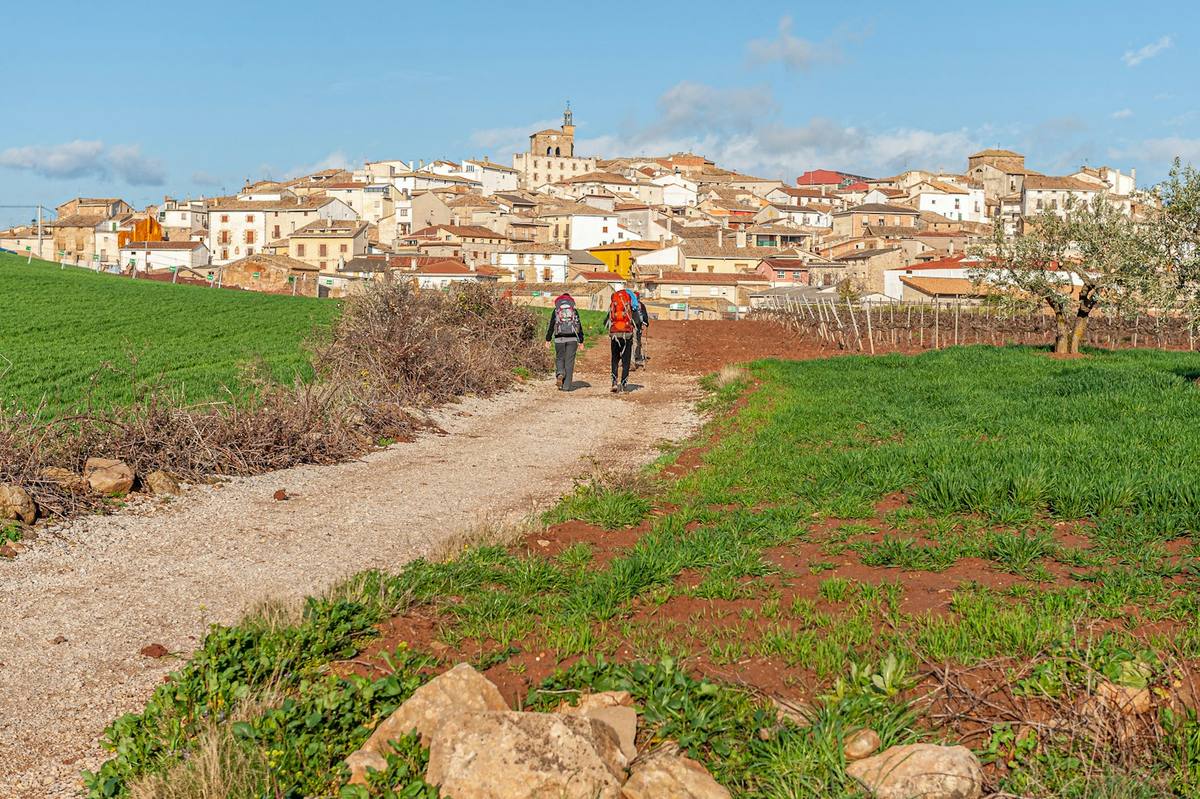
Updated August 2026
Short answer: if you want the most famous Camino, the most company, and the most infrastructure, and you don't mind crowds, walk the Francés. If you want a quieter, generally gentler walk, no big mountain crossing, and easy access to Porto, Lisbon and the Atlantic coast, walk the Português. Both end at the same cathedral square in Santiago, and both qualify for the Compostela. The deciding question isn't "which is better". It's "do I want the busy, social classic, or the calmer one?"
These are the two most-walked routes to Santiago, and most people choosing their first Camino are really deciding between them. They're different in feel, not in difficulty class (neither needs technical skill), but the day-to-day experience is genuinely distinct. Here's the breakdown, then a clear pick.
| Português | Francés | |
|---|---|---|
| Feel | Quieter, calmer, coastal option | Famous, social, the classic |
| Crowds | Lighter, especially early | Busiest route, esp. last 100 km |
| Terrain | Rolling, no mountain pass | Pyrenees start, more climbing |
| Scenery | Vineyards, stone towns, Atlantic | Wine country, meseta plains, hills |
| Length (full) | ~246 km from Porto · 12–14 days | ~780 km from SJPdP · 4–5 weeks |
| Best for | Calm, cities, gentler legs | Company, tradition, the full epic |
What's the real difference between them?
The Camino Francés is the Camino, the one most films and books are about. It runs west across northern Spain from Saint-Jean-Pied-de-Port in France, over the Pyrenees and on through Pamplona, Burgos, León and the wide meseta plains before climbing into Galicia. It's the busiest route, with the densest network of albergues, cafés and fellow walkers. If the picture in your head is a steady stream of pilgrims, shared dinners and a real sense of a moving community, that's the Francés.
The Camino Português heads north to Santiago from Portugal. Most people start in Porto, some from Lisbon. It's generally quieter, the terrain is gentler, and it threads through vineyards, old stone towns like Ponte de Lima, and (on the Coastal variant) long stretches beside the Atlantic. It's the easier one to bolt onto a city trip, since you begin in a walkable, well-connected place.
Which is harder?
The Francés asks more of your legs, mainly because of how it opens: the first day is a long, steep climb over the Pyrenees, and there's more sustained up-and-down across the whole route than on the Português. None of it is technical: it's walking, not mountaineering. But if you're nervous about hills or carrying a pack uphill, the Português from Porto is the kinder introduction. Rolling countryside, no headline mountain crossing, softer early stages (especially on the Coastal boardwalks). If you'd like to arrive fit either way, our guide on how to train for the Camino applies to both.
Which is busier, and does that matter?
The Francés is the busiest Camino, full stop. The final 100 km from Sarria is the busiest stretch of all, because that's the minimum distance for the Compostela and day-walkers pile in. For some people that buzz is the whole point; for others it's a reason to look elsewhere. The Português is usually calmer, particularly in its first half out of Porto. If crowds either thrill you or put you off, this single factor may decide it for you. Want the quiet end of either? See when to walk, month by month.
Which is more scenic?
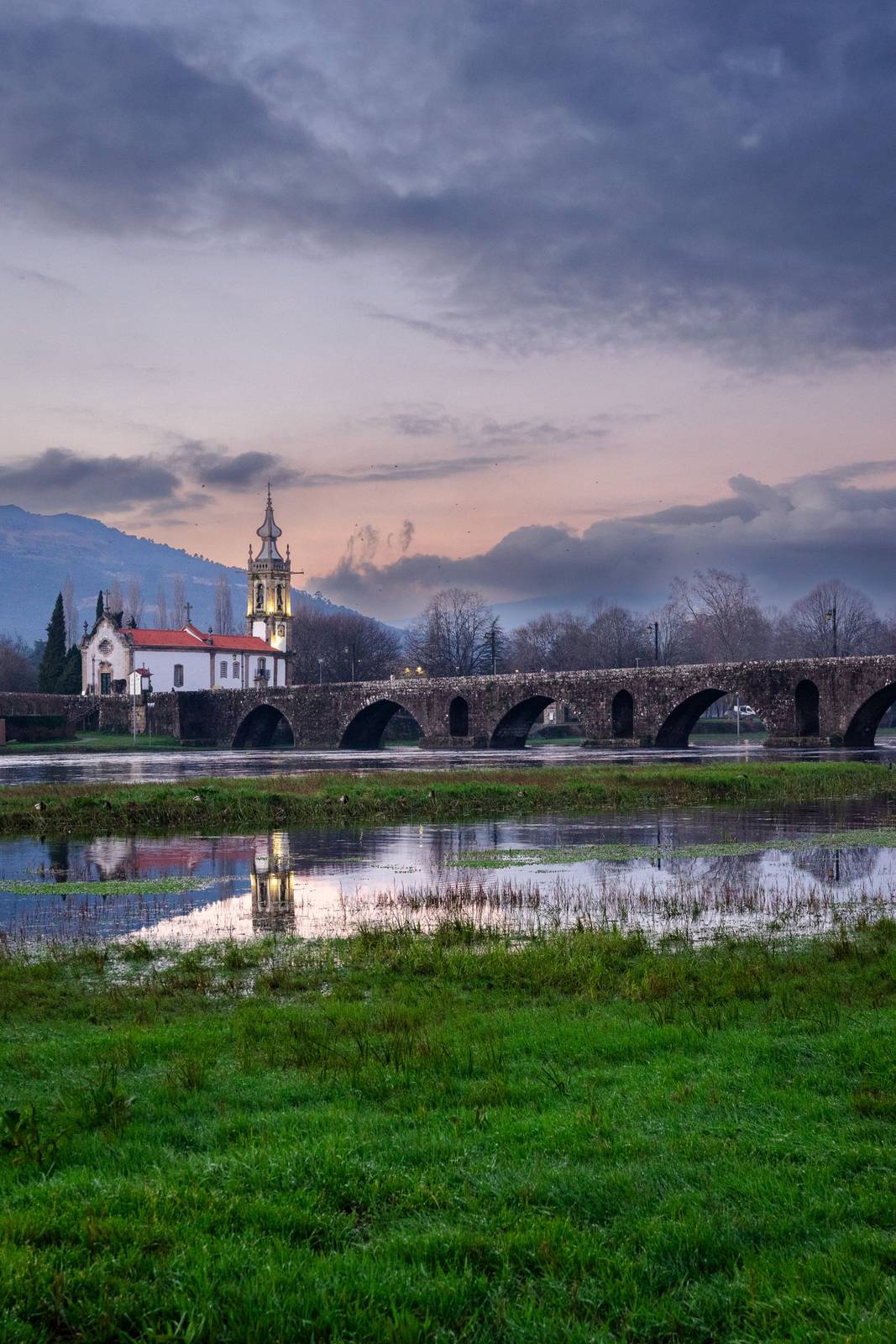
Both are beautiful in different registers. The Francés gives you the most variety over its length: Basque foothills, Rioja vineyards, the strange wide-open meseta, then green Galicia. The Português trades that epic range for a tighter, more intimate set of pleasures: Portuguese stone villages, river crossings, and (if you take the Coastal route) days of ocean. There's no winner here, only what you'd rather wake up to.
Which costs more?
Day-to-day spending is broadly similar on both: albergue beds, café meals and the odd private room cost about the same in rural Portugal and rural Spain. The real cost difference is length: the full Francés is a four-to-five-week commitment, so the total adds up simply because it lasts longer, while the Português from Porto is a two-week trip. If budget or available holiday is tight, the shorter Português is easier to fund and fit in. For the numbers in detail, see our realistic Camino budget.
Which is better for a first-timer?
Both are genuinely first-timer friendly; this isn't a beginner-versus-expert split. Pick the Francés if you want maximum company, the most support if anything goes wrong, and the classic, bucket-list version of the experience. Pick the Português if you'd rather a quieter, slightly gentler walk that's easy to combine with Porto, Lisbon or the coast, and you don't need the crowds to feel part of something.
Our pick
If your heart is set on "the Camino" in its fullest, most storied form and you have four to five weeks, the Francés is hard to argue with. But for most people choosing their first Camino on real-world time and energy, we'd point to the Camino Português from Porto: gentler underfoot, quieter, two weeks rather than five, and bookended by two of Europe's loveliest cities. It's the lower-friction way to find out whether long-distance walking is for you, and the cathedral at the end is exactly the same.
Next steps: leaning Português? Start with the complete guide to the Camino Português, then pick between the Coastal and Central routes and decide when to walk.
Common questions
Is the Camino Português or Camino Francés better?
Neither is objectively better. The Francés is busier, more social and the most famous route, with the widest support; the Português is quieter, generally gentler underfoot and easier to combine with cities like Porto and Lisbon. First-timers who want company and structure often pick the Francés; those who want a calmer walk pick the Português.
Which Camino is easier, the Português or the Francés?
The Português from Porto is generally gentler, with rolling terrain and no big mountain crossing. The Francés opens with a hard climb over the Pyrenees and has more sustained ascents and descents. Neither requires technical skill, but the Francés asks more of your legs early on.
Which Camino is less crowded?
The Camino Português is usually quieter than the Francés, especially in the first half out of Porto. The Francés is the busiest route, particularly in summer and over the final 100 km from Sarria, where day-walkers join.
Which Camino is better for a first-timer?
Both work for first-timers. The Francés suits people who want the most company, the most infrastructure and the classic experience. The Português suits first-timers who prefer a quieter, slightly gentler walk and want easy access to Porto, Lisbon and the coast.
How long does each Camino take?
The Camino Português from Porto takes about 12 to 14 days; from Lisbon it is several weeks. The full Camino Francés from Saint-Jean-Pied-de-Port typically takes around four to five weeks. Both have shorter last-100-km options that qualify for the Compostela.